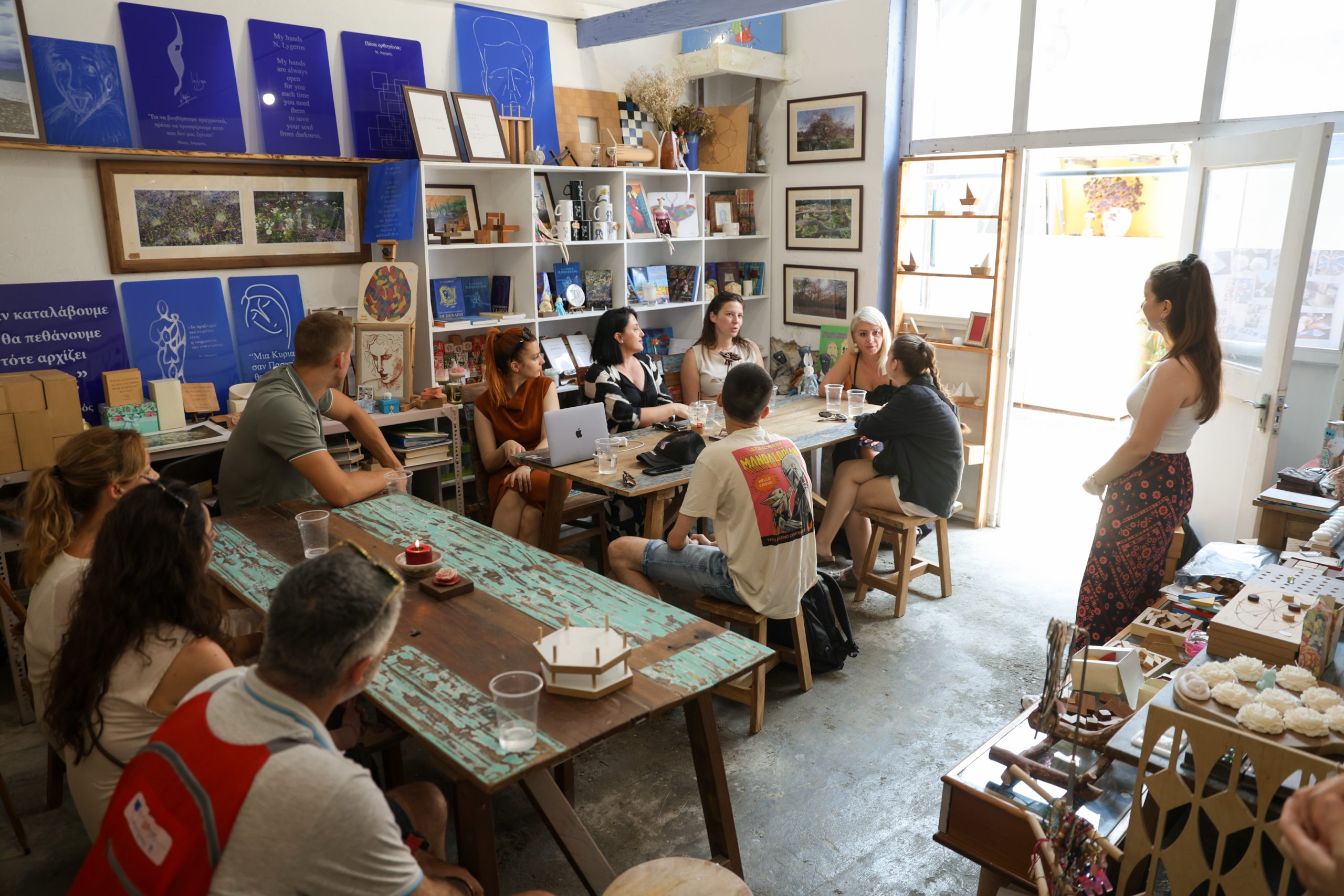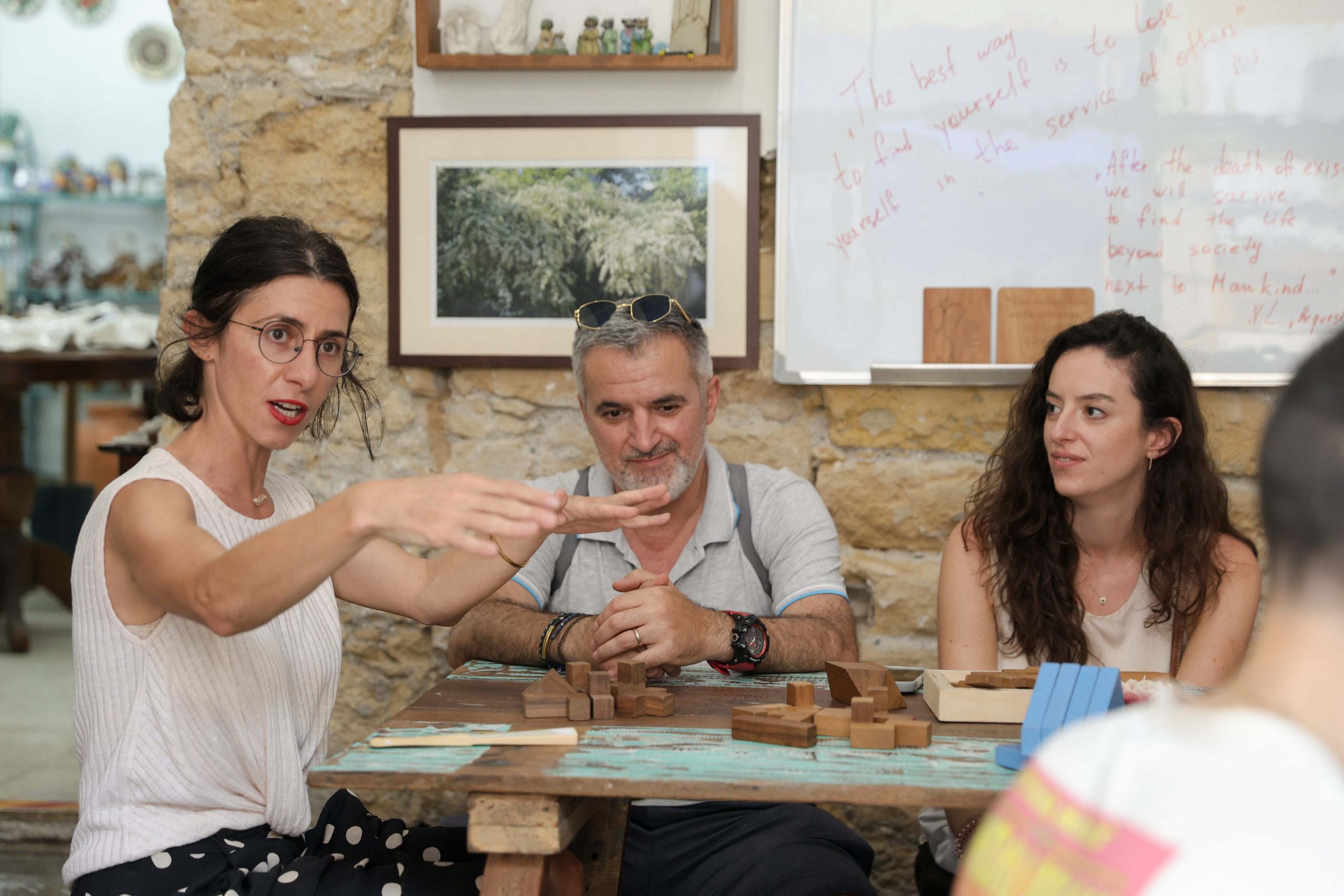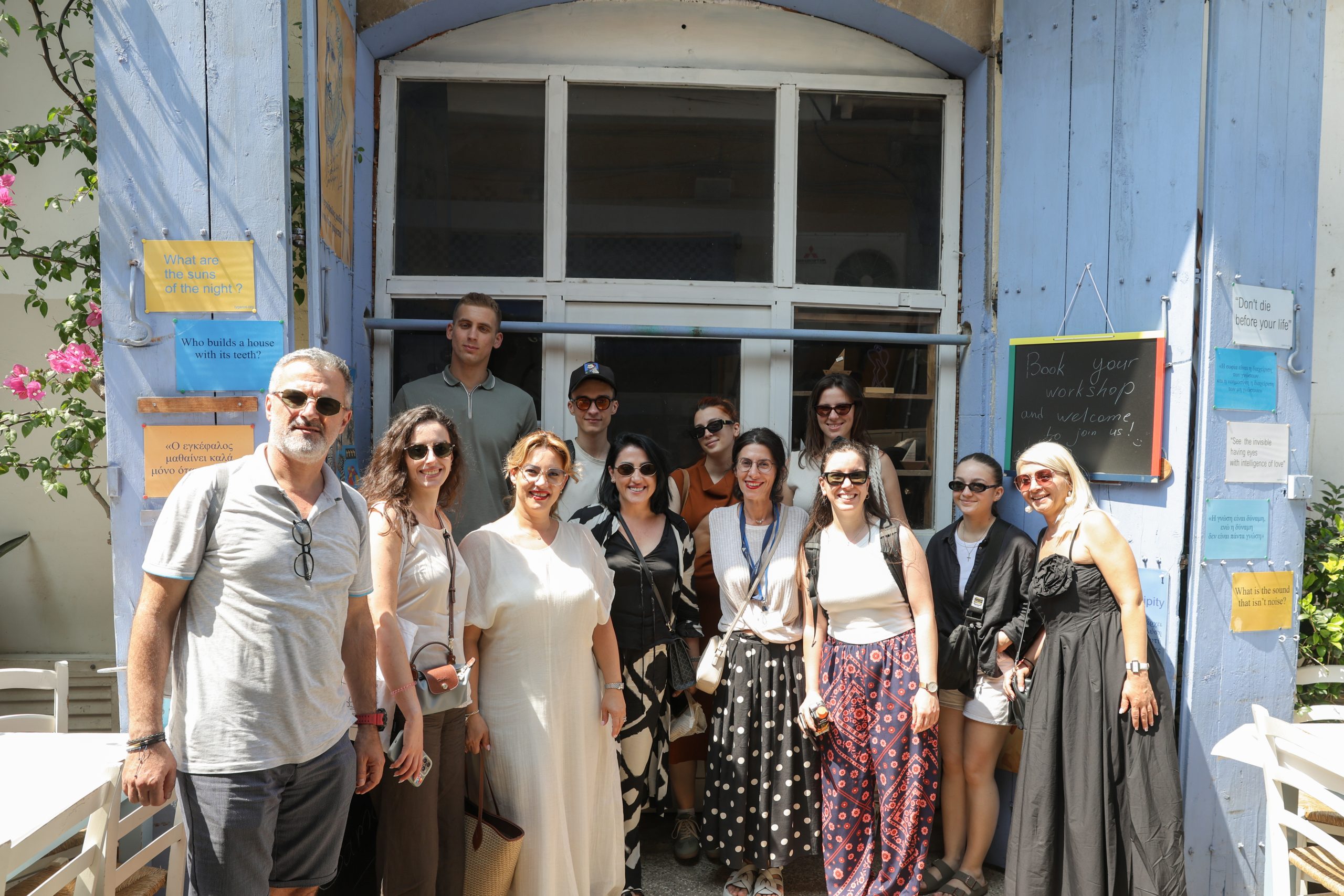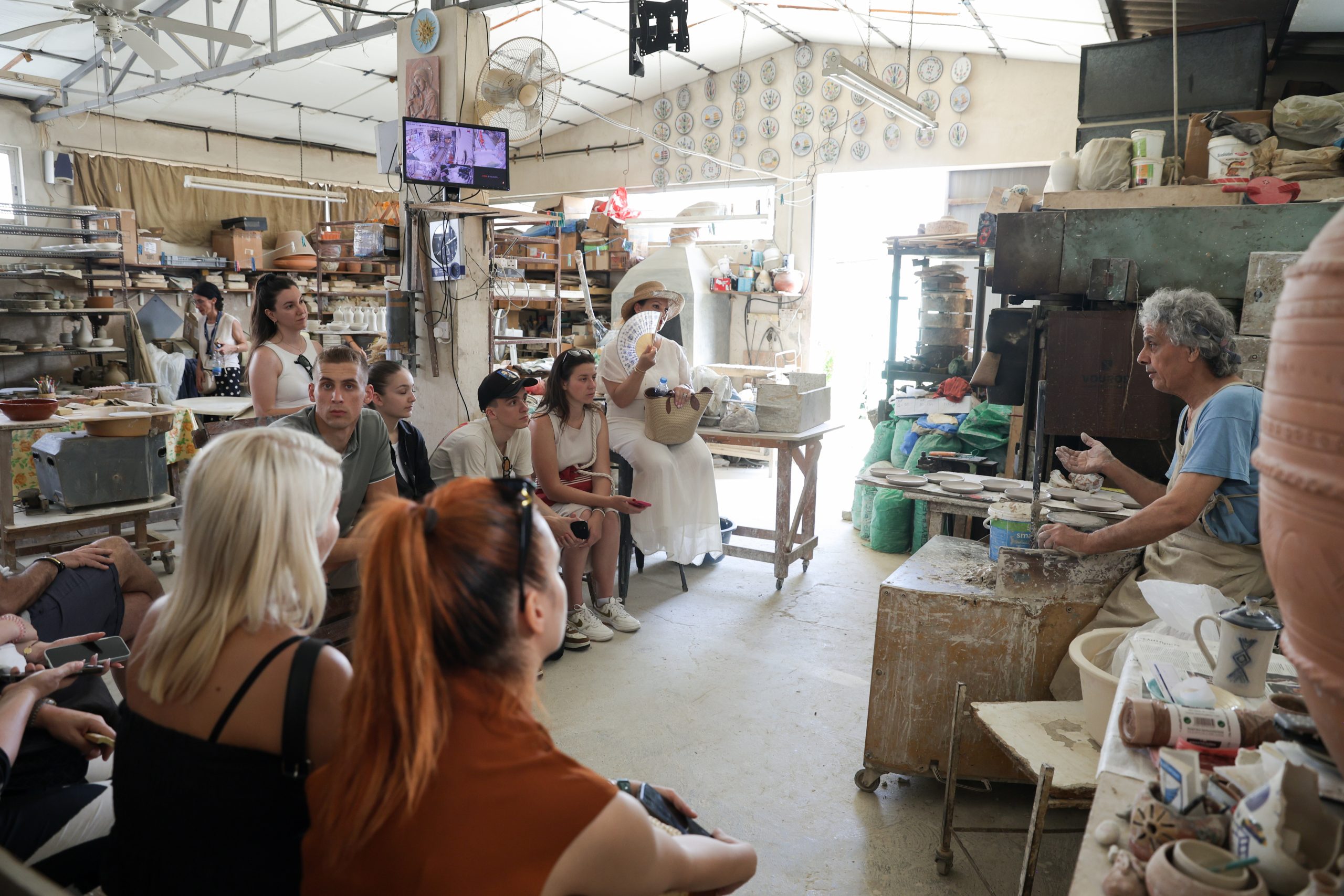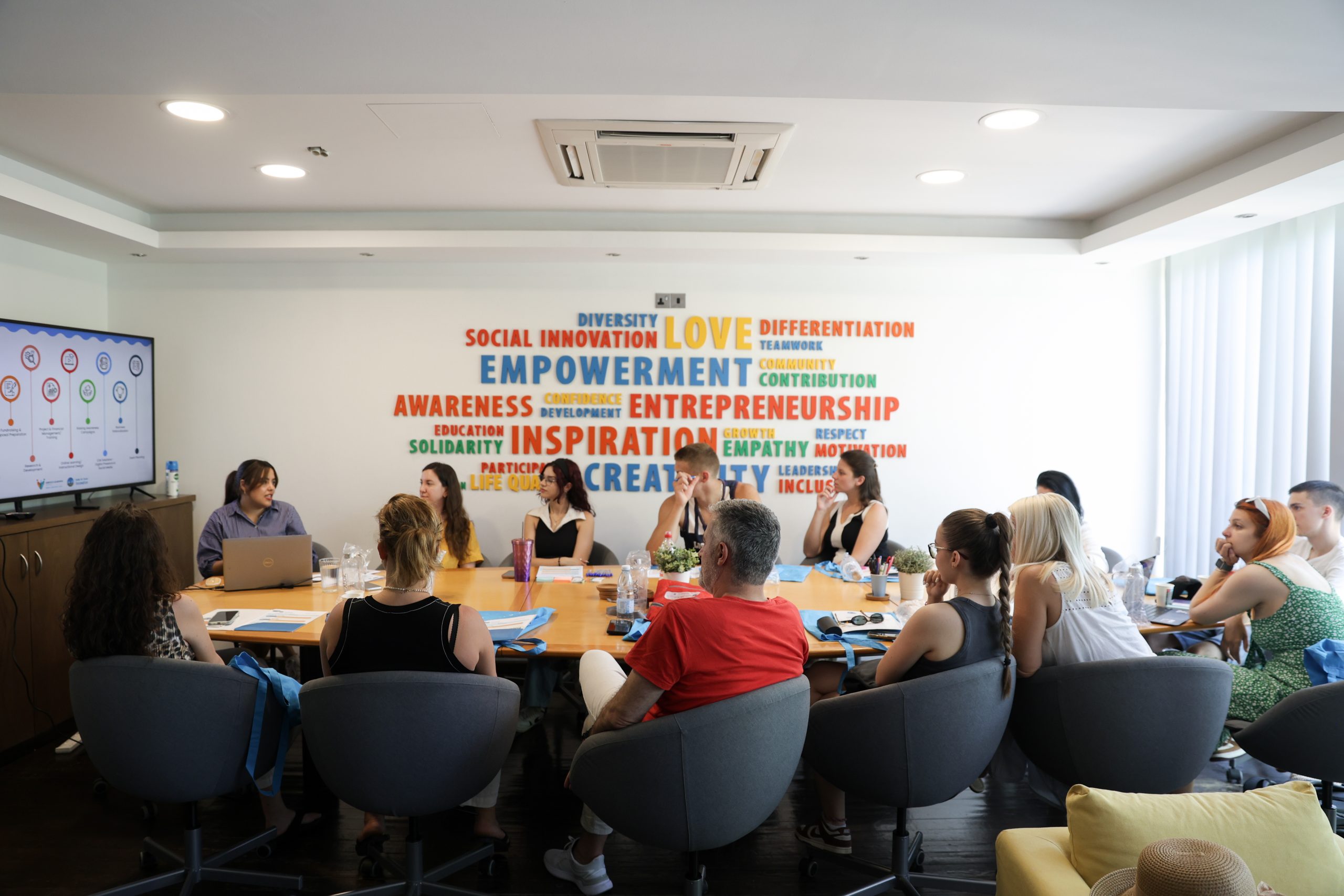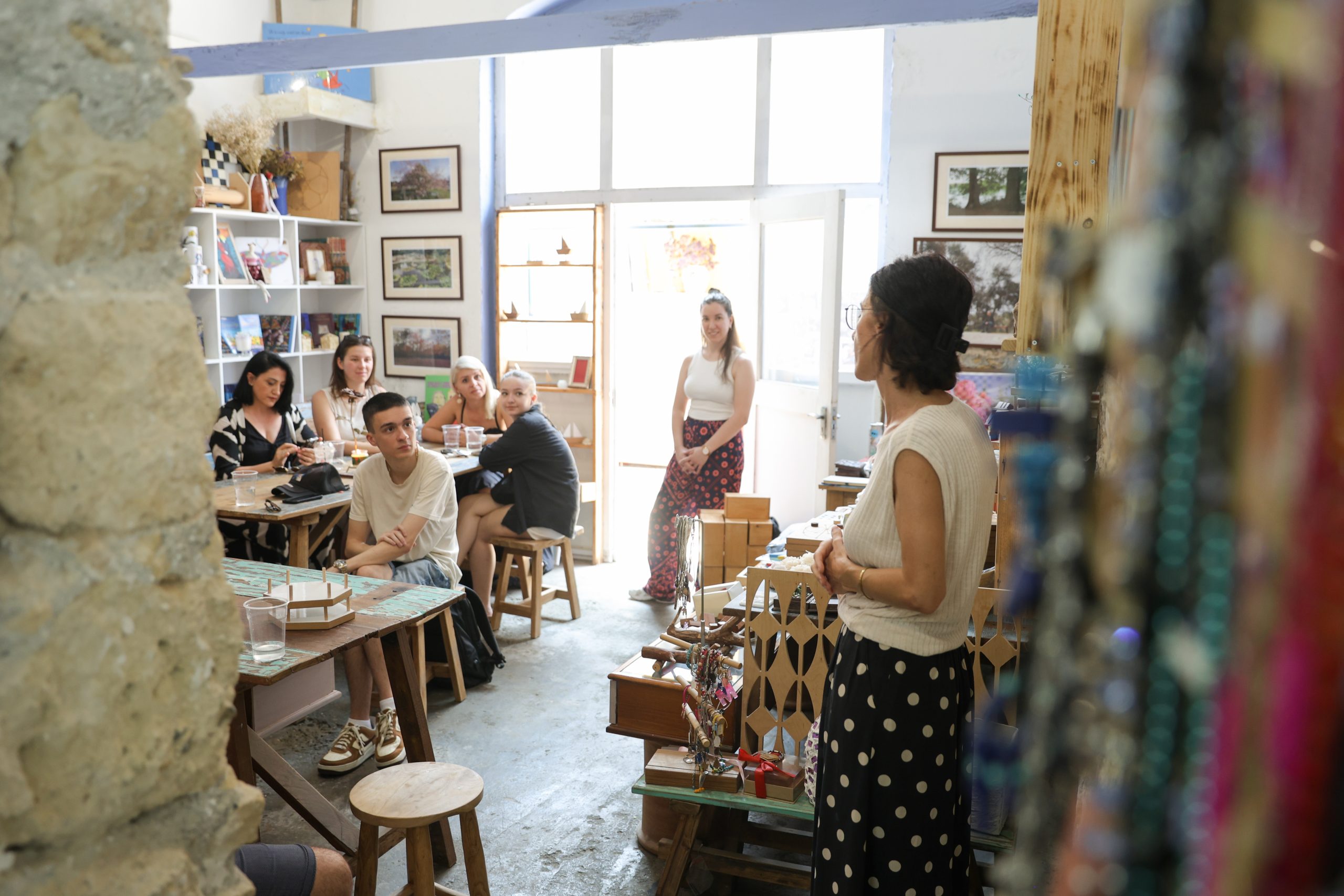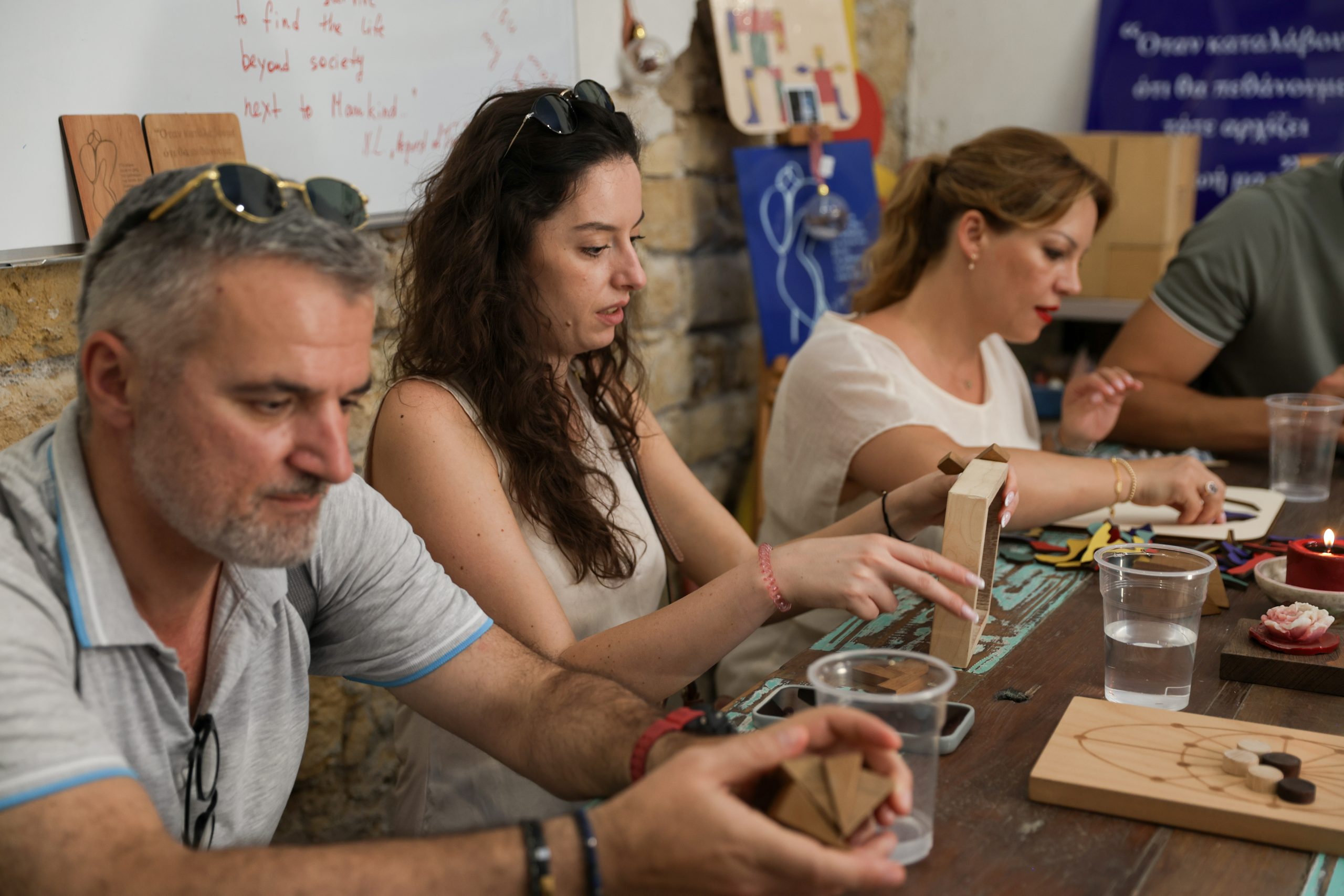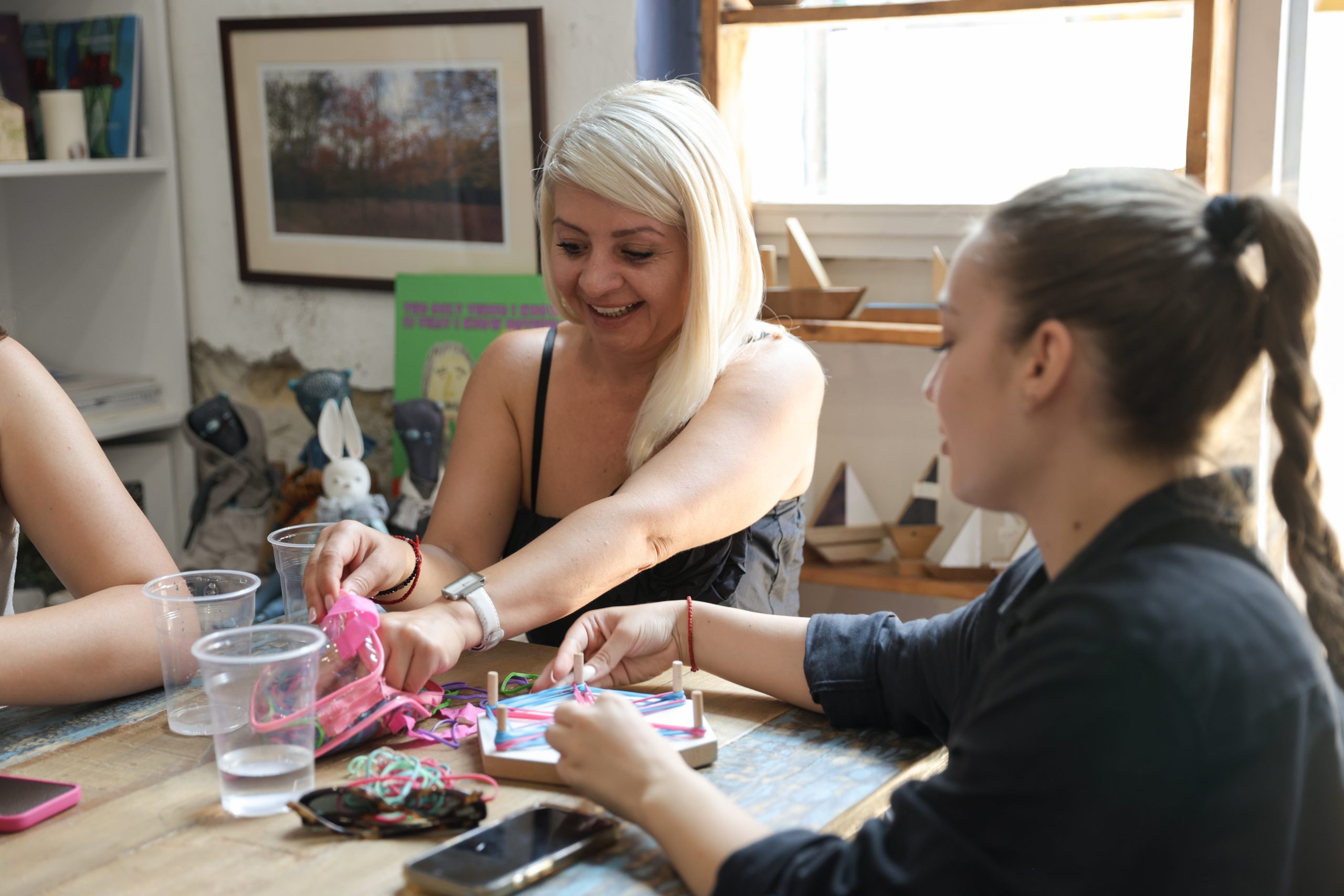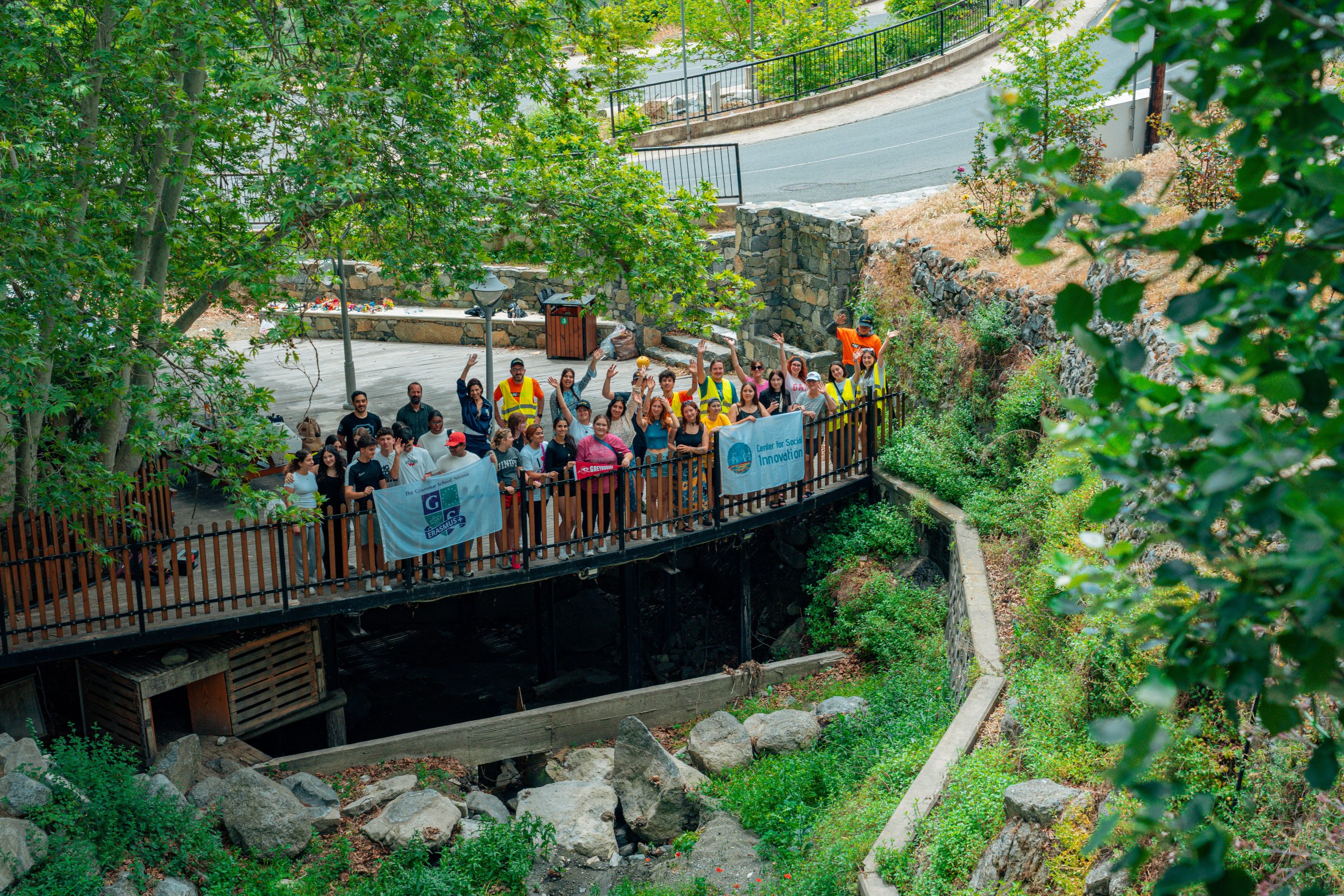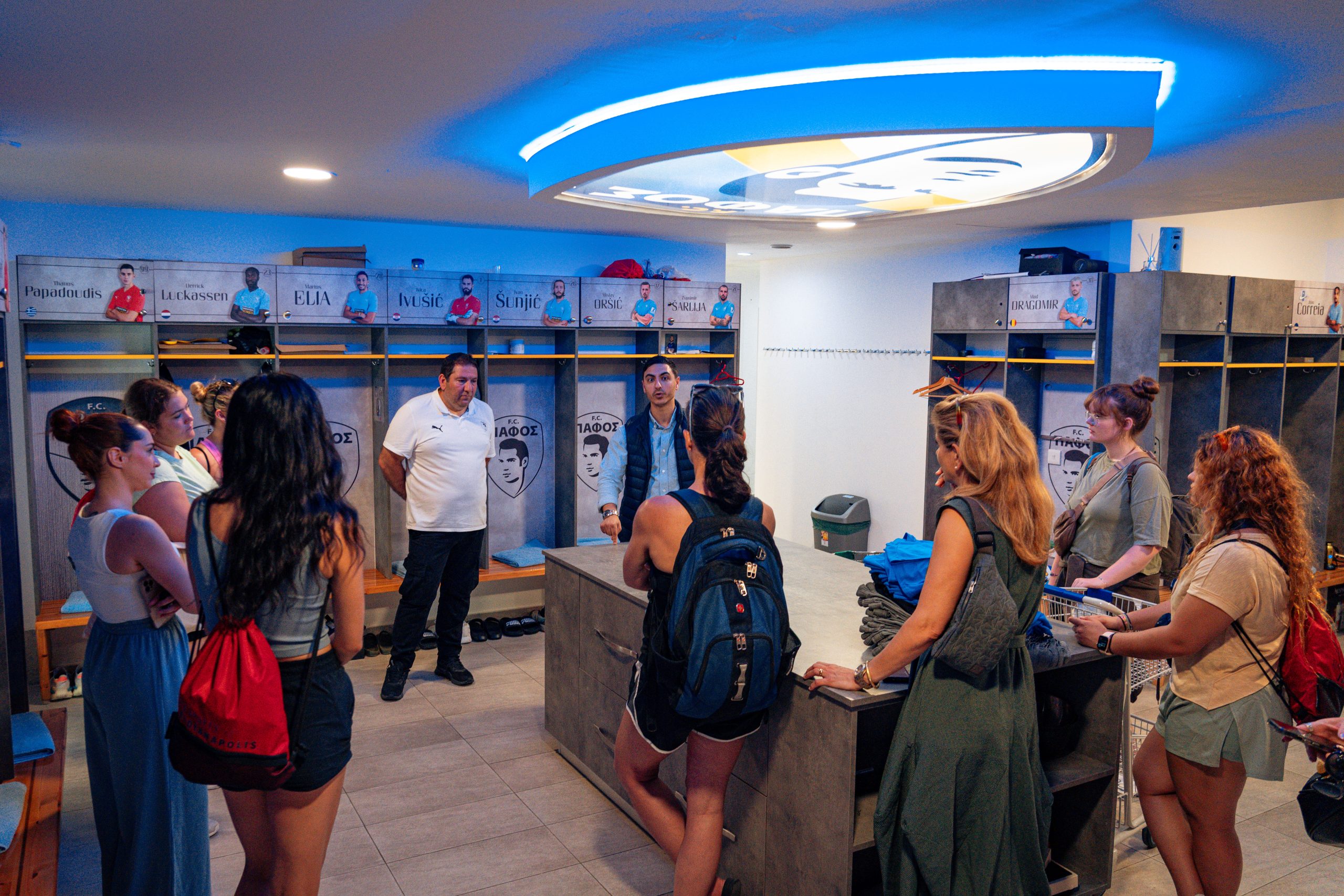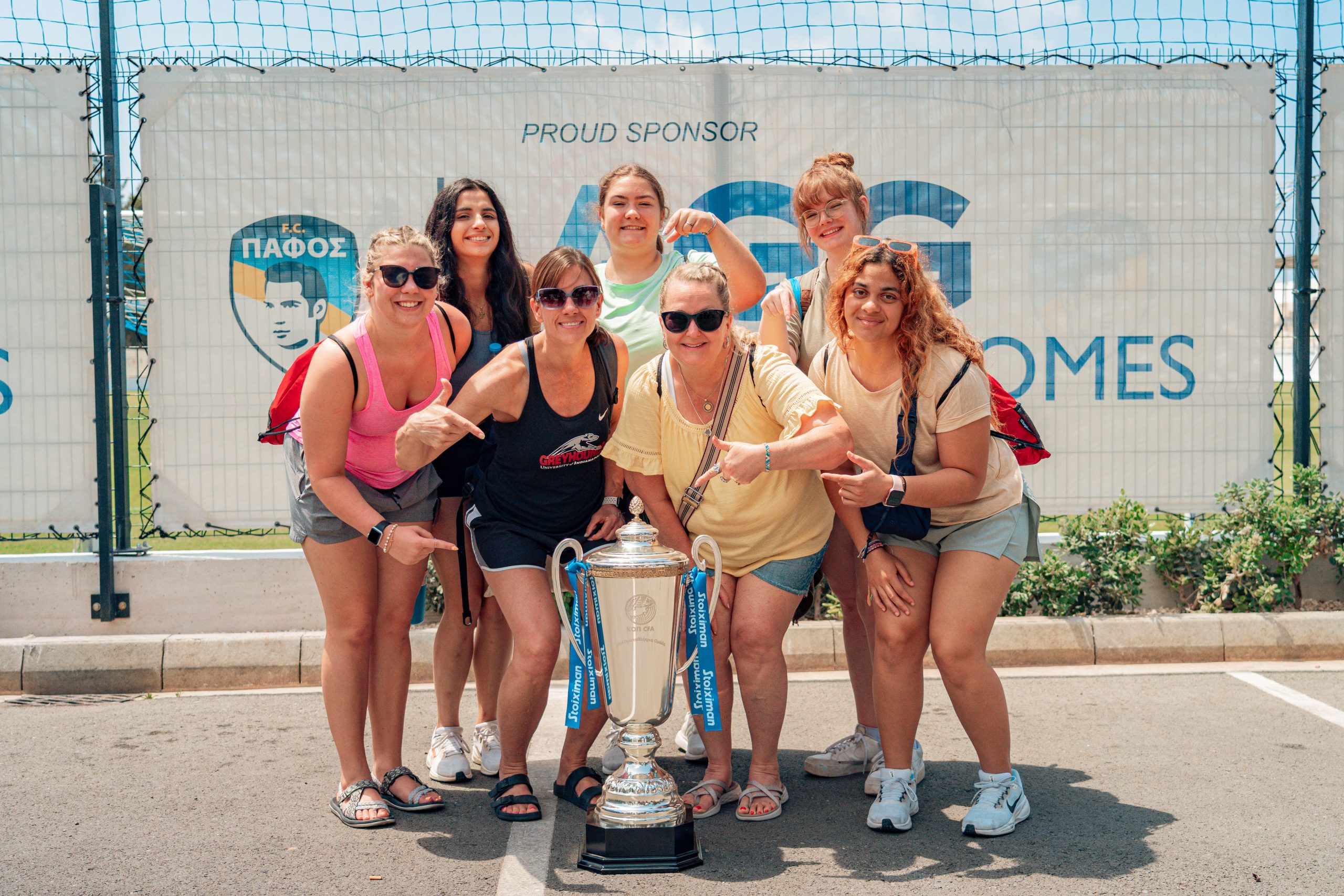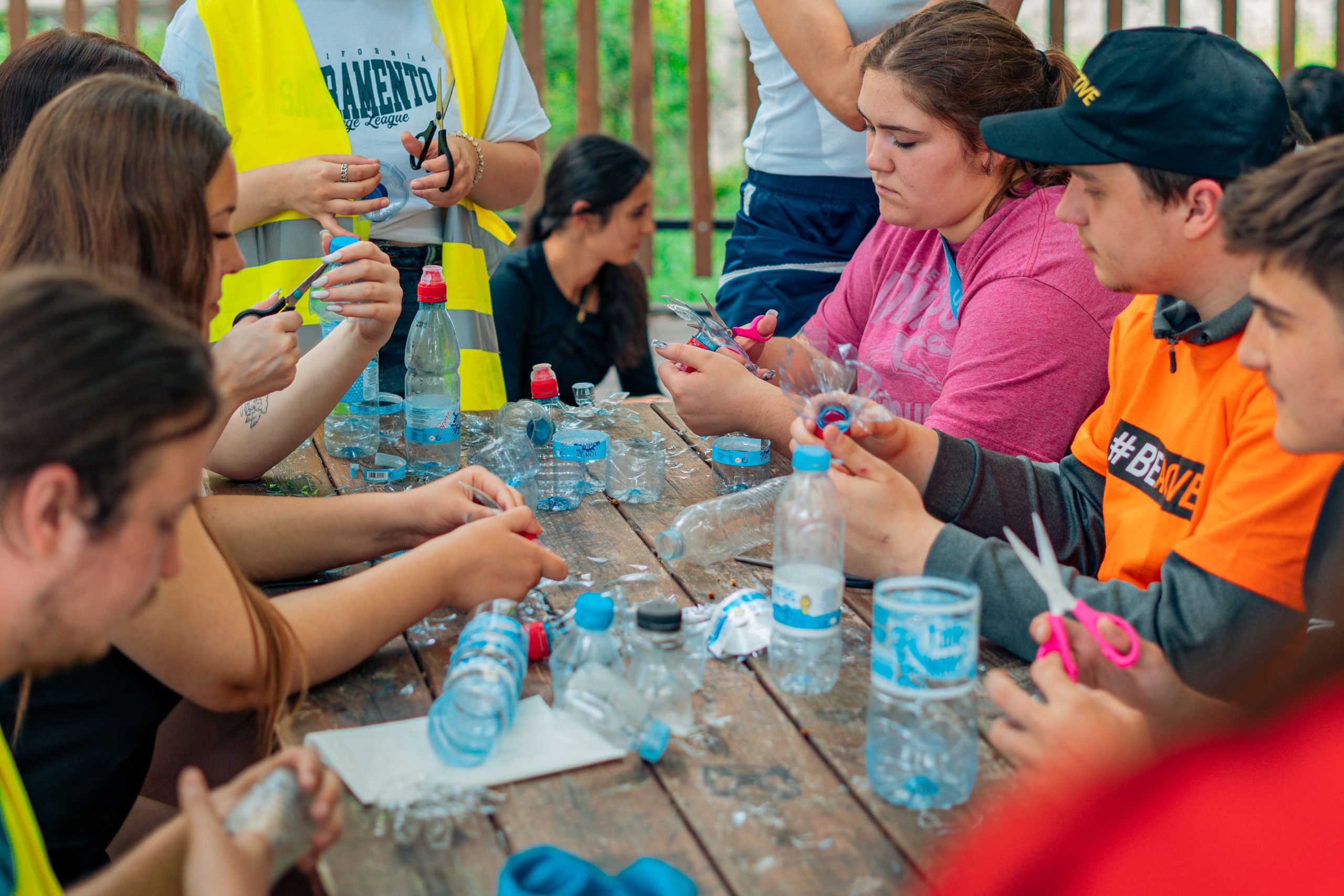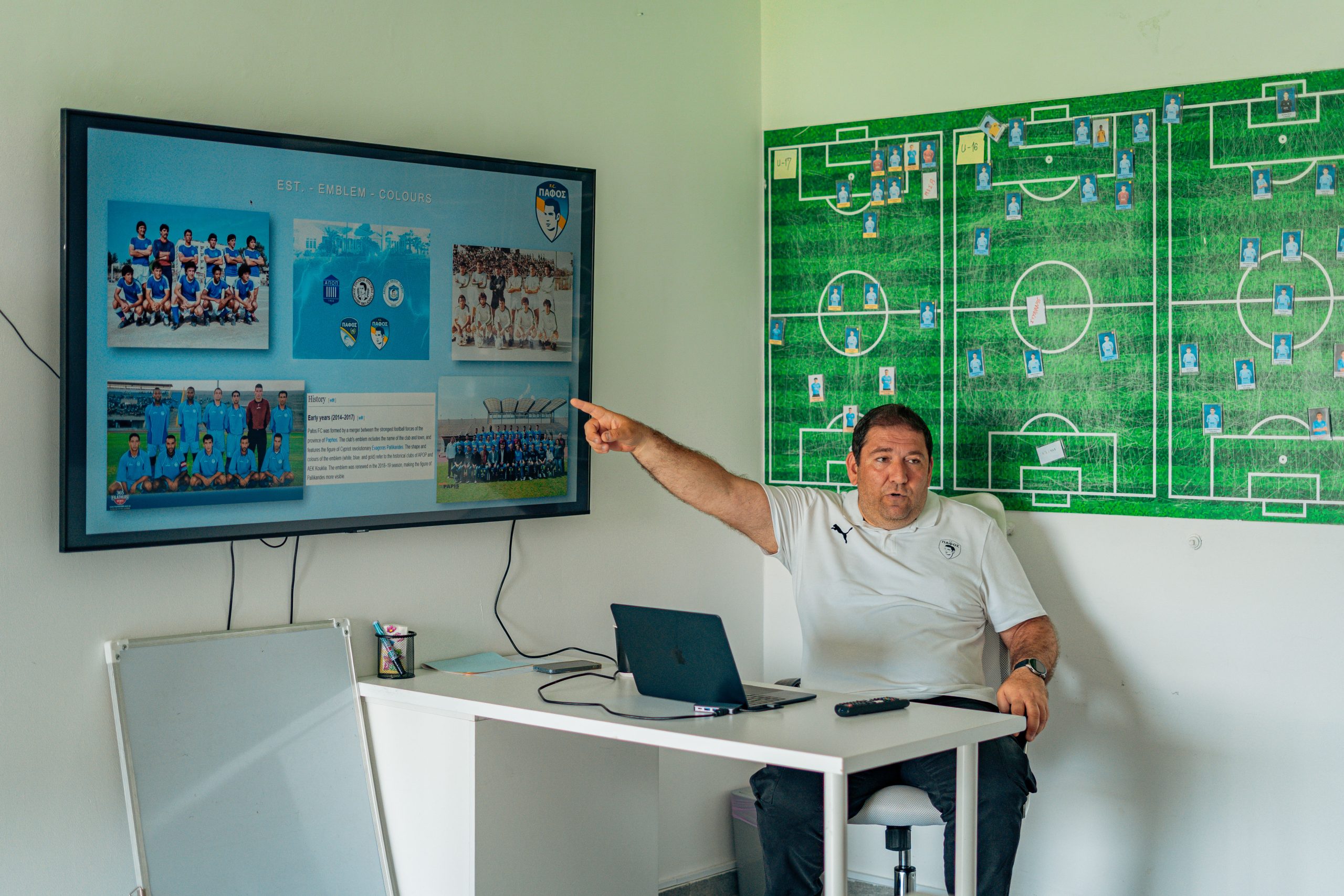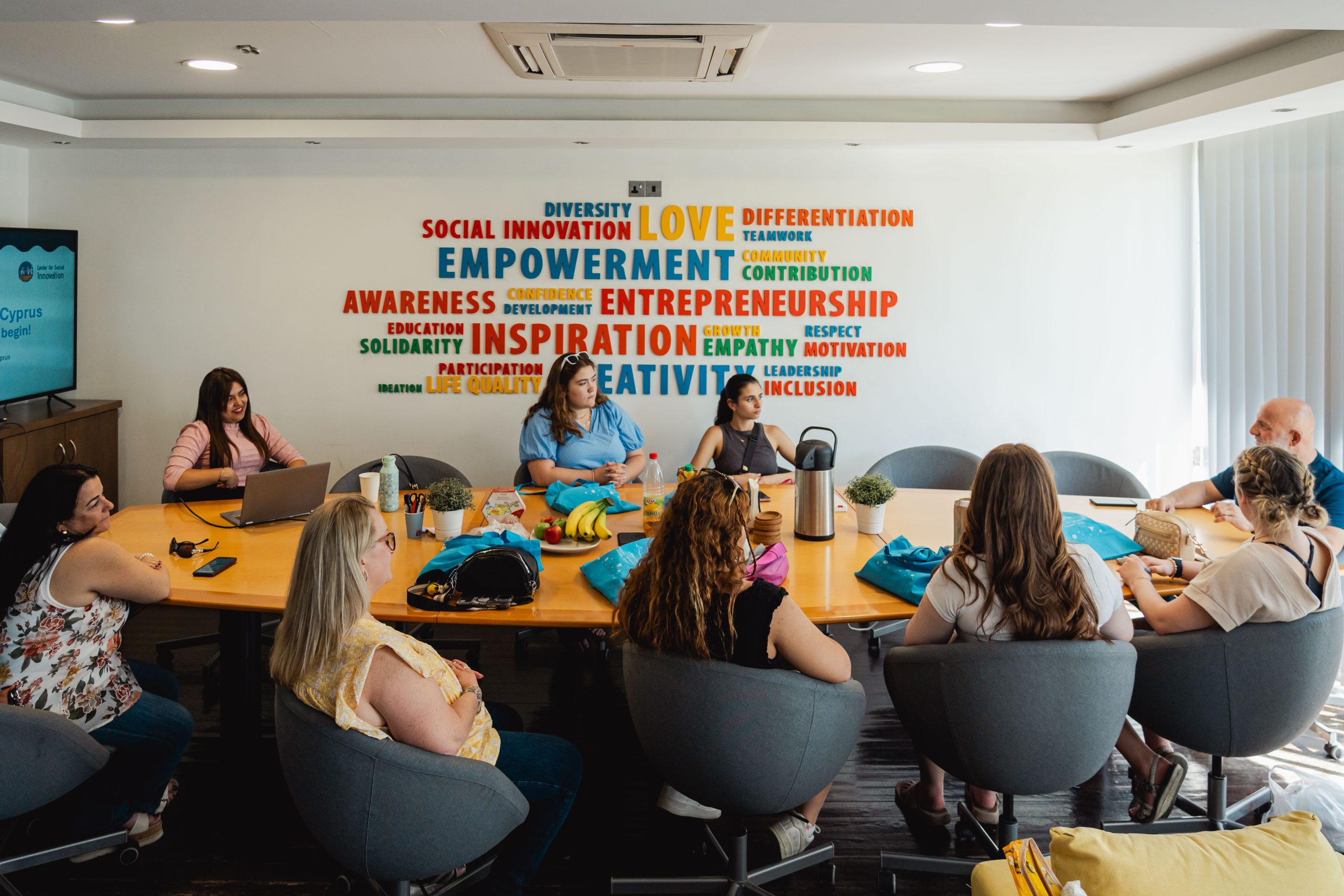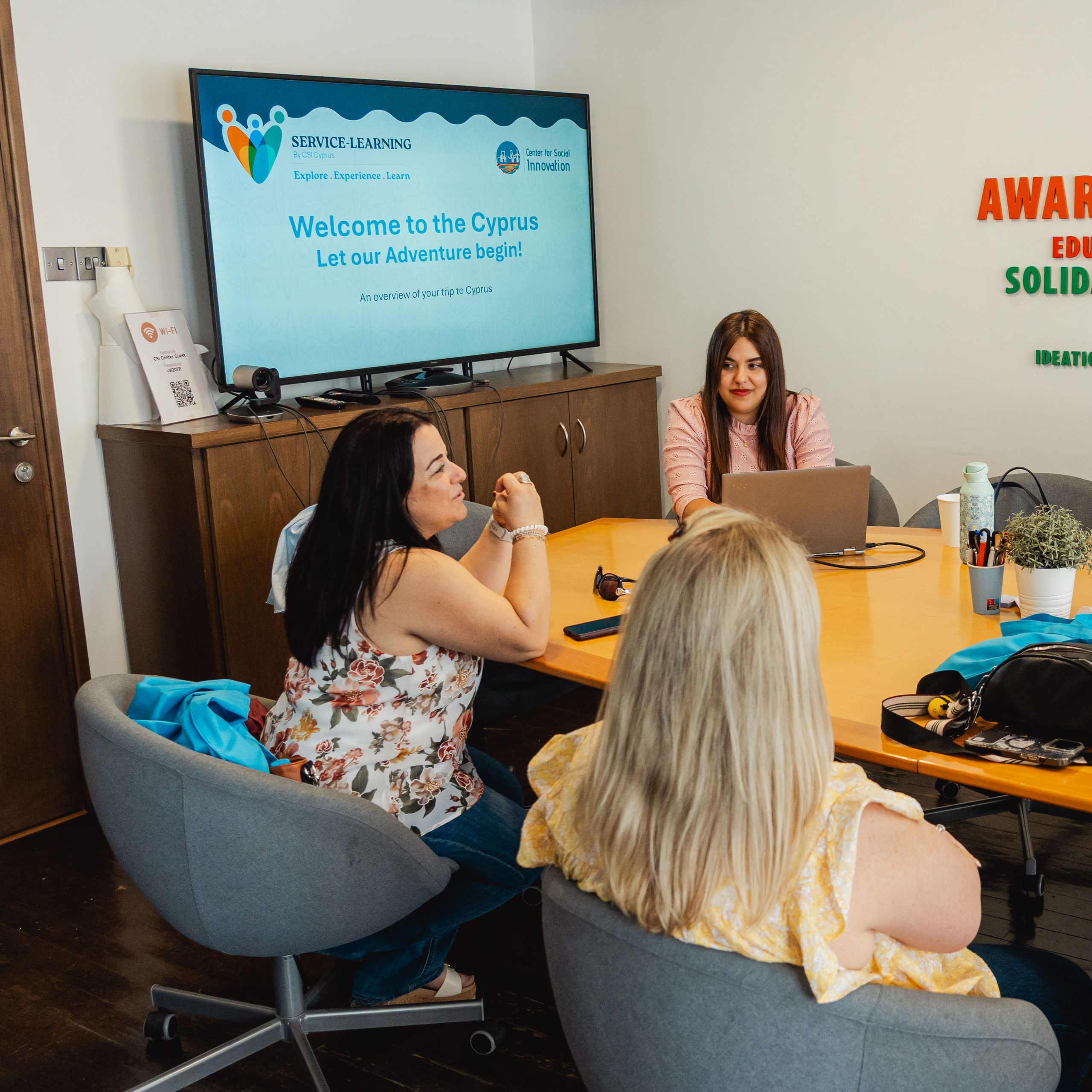

According to the IOM and UNICEF (2016) one in five of over 1 000,000 refugees and migrants who have crossed the Mediterranean Sea to Europe is a child. It is estimated that 214,355 migrant children have arrived in EU member states only in 2016. Children with migrant background are at risk of violence along their migration route, and due to difficulties of identification and registration their child protection needs are not always identified or met. Reflecting on the analysis, it is argued that EU member states need to consider developing common procedures and systems which could reflect both the national conditions and adopt a European model assessed and based on Evidence Based Practice. For this reason this proposal promotes a tangible solution of interdisciplinary professional development within a European common/integrated approach. More specifically it interprets collaboration under a multi-level perspective: to meet professionals’ needs; to promote interagency collaborative schemes; and to advance quality progression within limited resources. The aim of the GVETS is to develop an interdisciplinary capacity building program through gamification for professionals working with children in migration environments in order to improve their capacity and strengthen their role for the protection of children. The innovative pedagogical method of gamification will be deployed as its affordances are full alignment with training needs of social workers and professionals to address societal challenges. Particularly gamification of vocational training for professional in child protection and support, implies the deployment of experimentation, problem solving, communication and networking, critical thinking, contextualization and transferability of knowledge in to the field. The GVETS project aims to develop an interdisciplinary capacity building program through gamification practices for new professionals working with children in migration environments, to improve their capacity and strengthen their role for the protection of children.

Funded by the European Union. Views and opinions expressed are however those of the author(s) only and do not necessarily reflect those of the European Union or the European Education and Culture Executive Agency (EACEA). Neither the European Union nor EACEA can be held responsible for them.
Funded by the European Union. Views and opinions expressed are however those of the author(s) only and do not necessarily reflect those of the European Union or the European Education and Culture Executive Agency (EACEA). Neither the European Union nor EACEA can be held responsible for them.
Funded by the Other. Views and opinions expressed are however those of the author(s) only and do not necessarily reflect those of the European Union or the European Education and Culture Executive Agency (EACEA). Neither the European Union nor EACEA can be held responsible for them.
Funded by the Other. Views and opinions expressed are however those of the author(s) only and do not necessarily reflect those of the European Union or the European Education and Culture Executive Agency (EACEA). Neither the European Union nor EACEA can be held responsible for them.
Funded by the Other. Views and opinions expressed are however those of the author(s) only and do not necessarily reflect those of the European Union or the European Education and Culture Executive Agency (EACEA). Neither the European Union nor EACEA can be held responsible for them.
Funded by the Other. Views and opinions expressed are however those of the author(s) only and do not necessarily reflect those of the European Union or the European Education and Culture Executive Agency (EACEA). Neither the European Union nor EACEA can be held responsible for them.
Funded by the Other. Views and opinions expressed are however those of the author(s) only and do not necessarily reflect those of the European Union or the European Education and Culture Executive Agency (EACEA). Neither the European Union nor EACEA can be held responsible for them.
Funded by the Other. Views and opinions expressed are however those of the author(s) only and do not necessarily reflect those of the European Union or the European Education and Culture Executive Agency (EACEA). Neither the European Union nor EACEA can be held responsible for them.
Funded by the Other. Views and opinions expressed are however those of the author(s) only and do not necessarily reflect those of the European Union or the European Education and Culture Executive Agency (EACEA). Neither the European Union nor EACEA can be held responsible for them.
Funded by the Other. Views and opinions expressed are however those of the author(s) only and do not necessarily reflect those of the European Union or the European Education and Culture Executive Agency (EACEA). Neither the European Union nor EACEA can be held responsible for them.

Funded by the Other. Views and opinions expressed are however those of the author(s) only and do not necessarily reflect those of the European Union or the European Education and Culture Executive Agency (EACEA). Neither the European Union nor EACEA can be held responsible for them.
Funded by the Other. Views and opinions expressed are however those of the author(s) only and do not necessarily reflect those of the European Union or the European Education and Culture Executive Agency (EACEA). Neither the European Union nor EACEA can be held responsible for them.
Funded by the Other. Views and opinions expressed are however those of the author(s) only and do not necessarily reflect those of the European Union or the European Education and Culture Executive Agency (EACEA). Neither the European Union nor EACEA can be held responsible for them.
Funded by the Other. Views and opinions expressed are however those of the author(s) only and do not necessarily reflect those of the European Union or the European Education and Culture Executive Agency (EACEA). Neither the European Union nor EACEA can be held responsible for them.
Funded by the Other. Views and opinions expressed are however those of the author(s) only and do not necessarily reflect those of the European Union or the European Education and Culture Executive Agency (EACEA). Neither the European Union nor EACEA can be held responsible for them.
Funded by the Other. Views and opinions expressed are however those of the author(s) only and do not necessarily reflect those of the European Union or the European Education and Culture Executive Agency (EACEA). Neither the European Union nor EACEA can be held responsible for them.
Funded by the Other. Views and opinions expressed are however those of the author(s) only and do not necessarily reflect those of the European Union or the European Education and Culture Executive Agency (EACEA). Neither the European Union nor EACEA can be held responsible for them.
Project Number:
We deliver tailored email communications to ensure timely updates and engagement across our network.
Our social platforms are active hubs for connection, promotion, and engagement:
Strategic support to elevate visual identity and messaging across projects:
Bringing stories to life through high-quality media production:
Expanding our reach through strategic media relations:
Email Campaigns