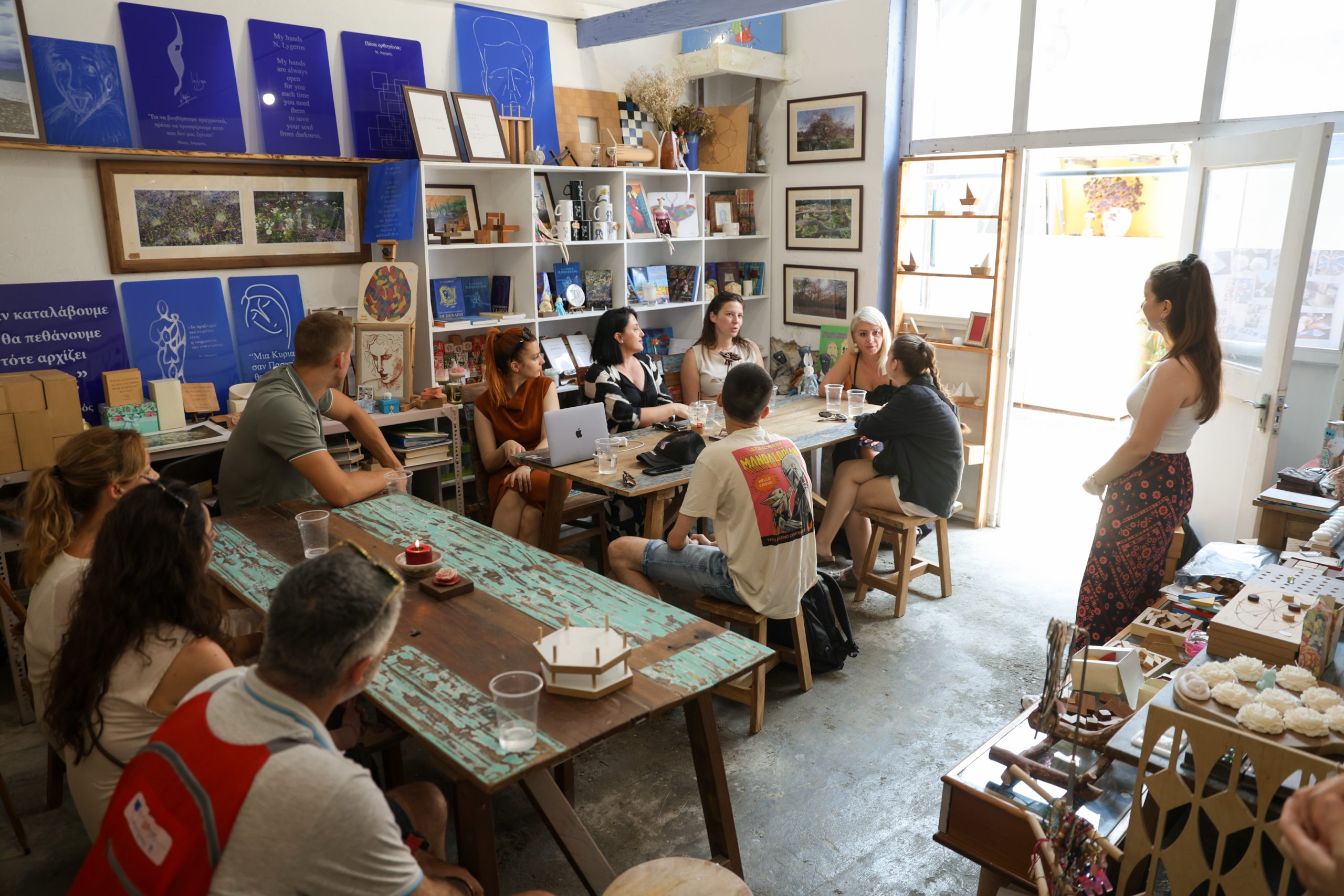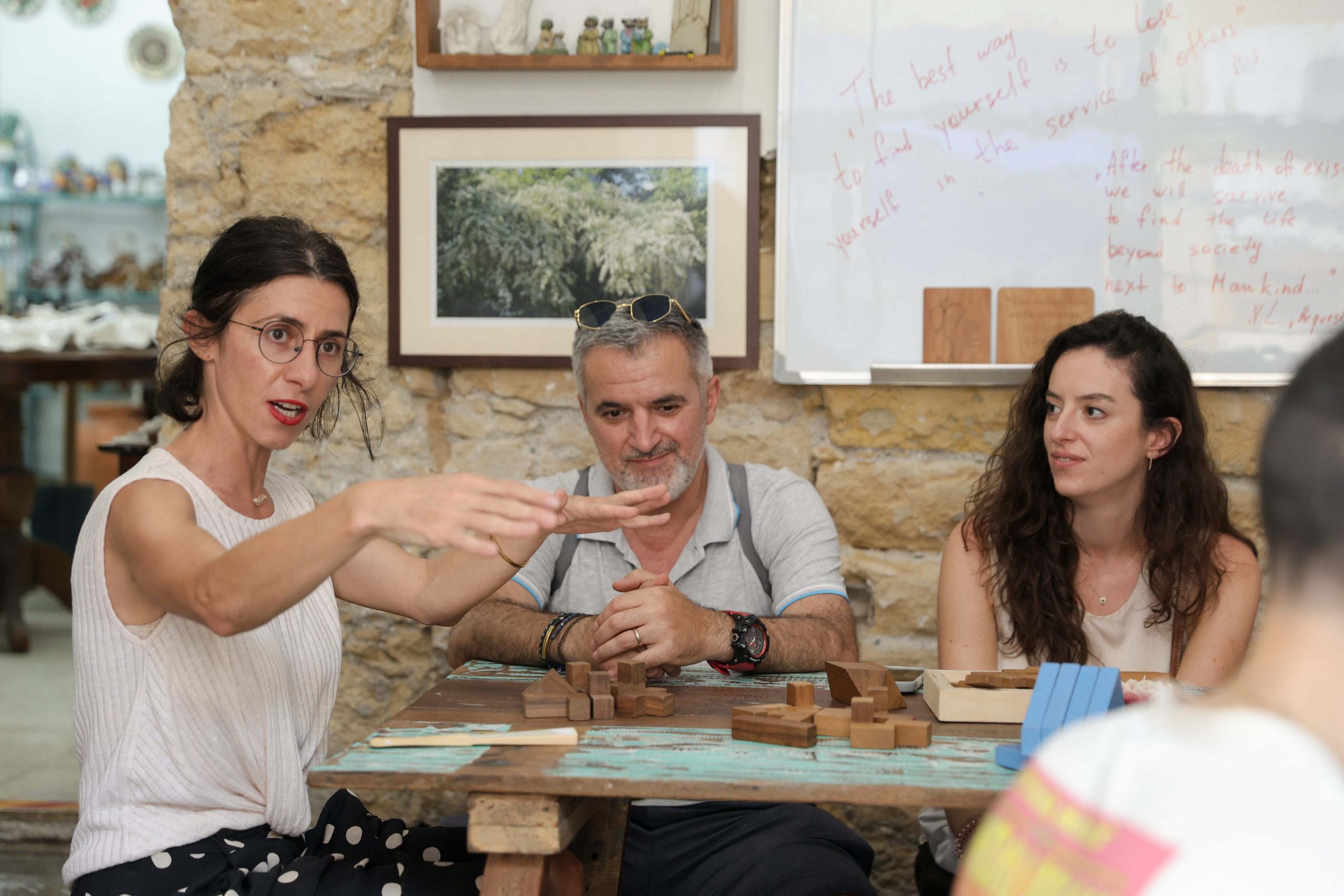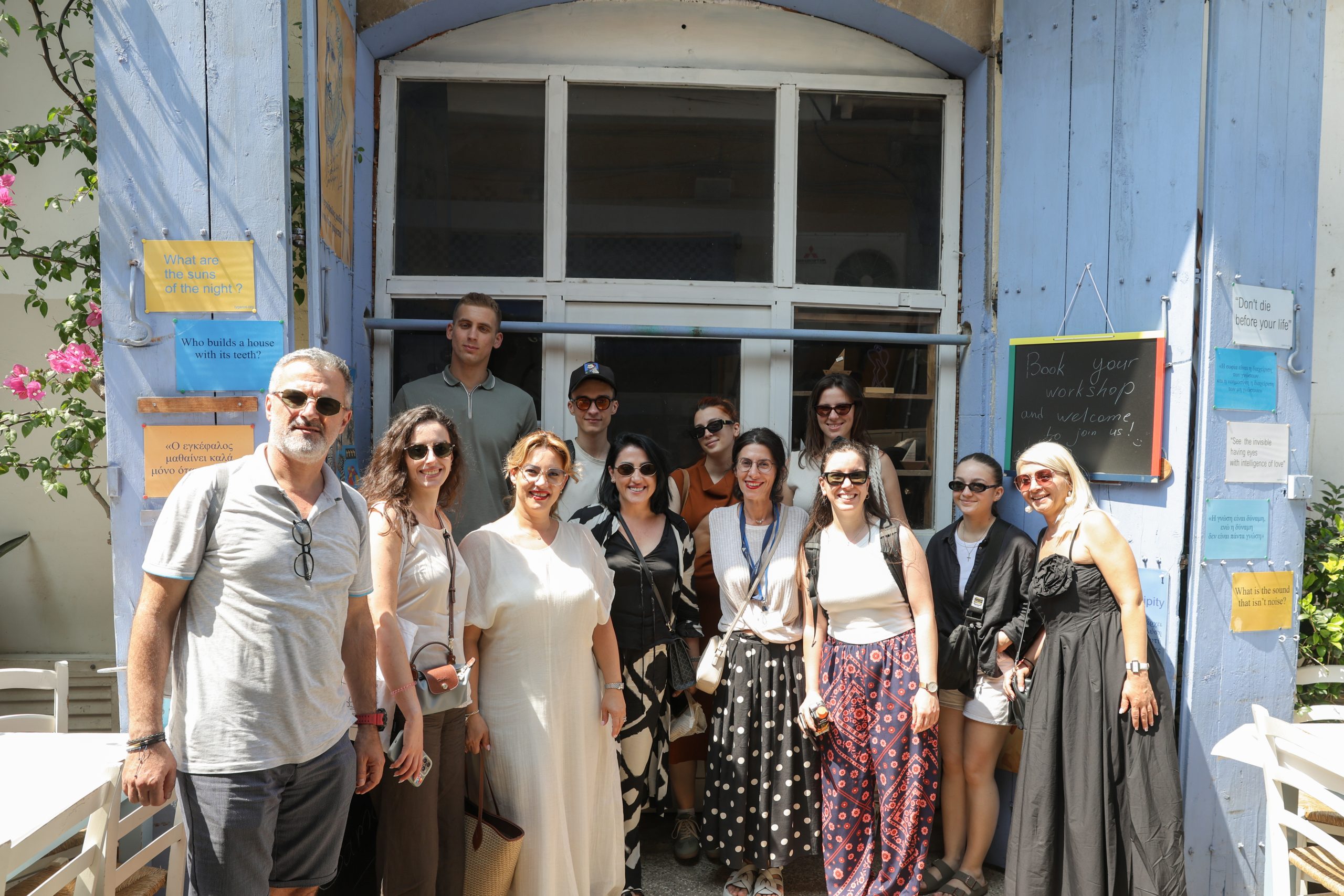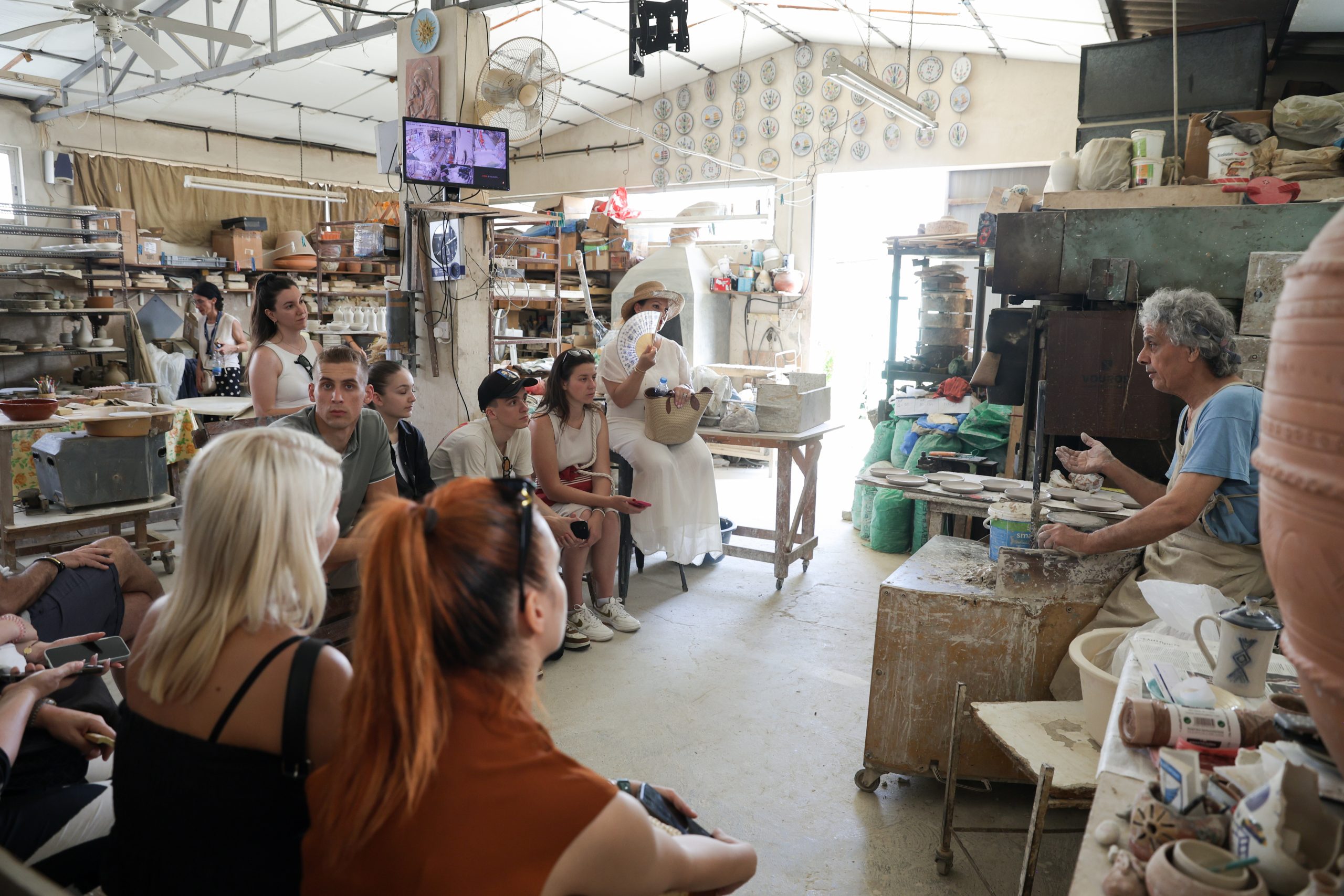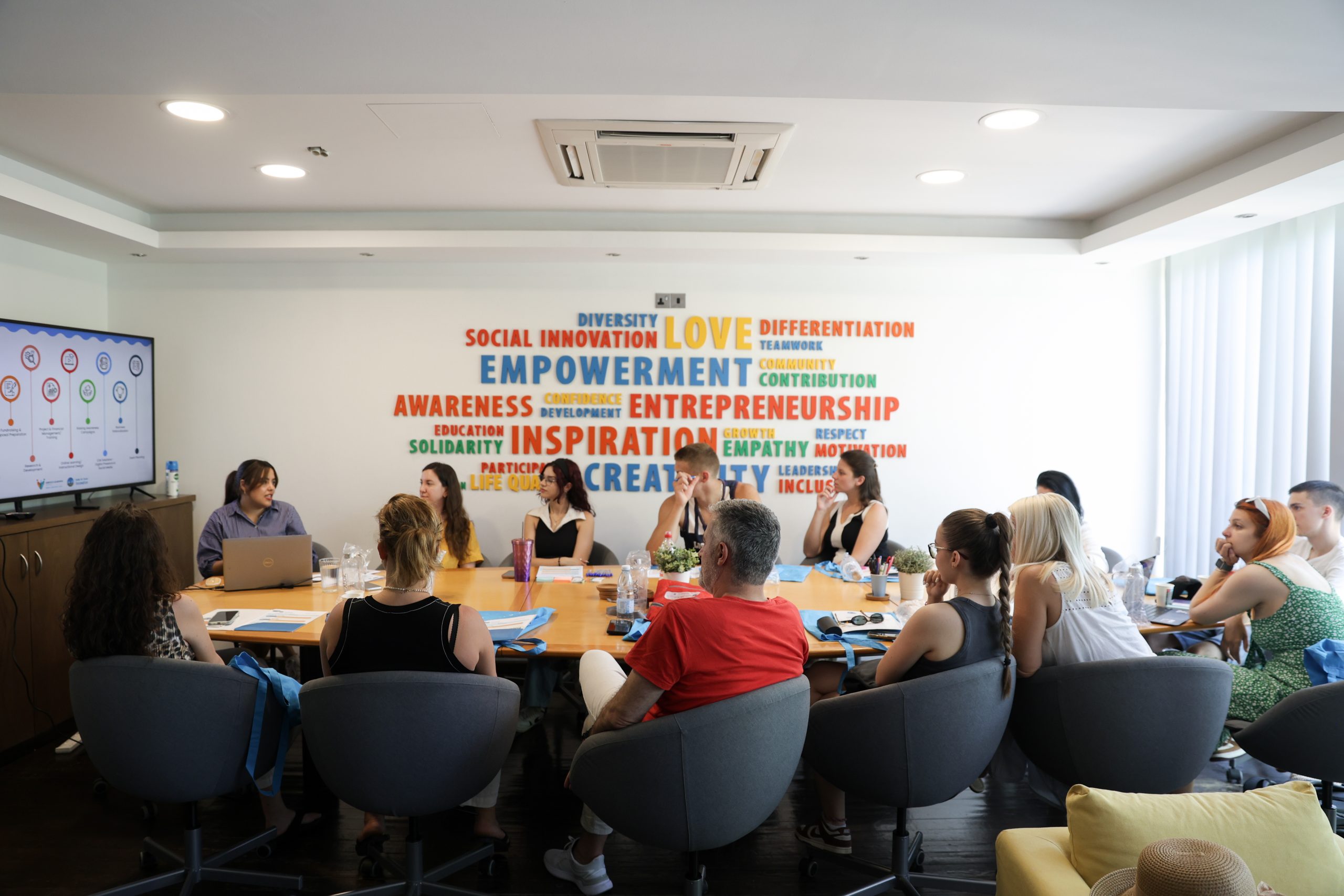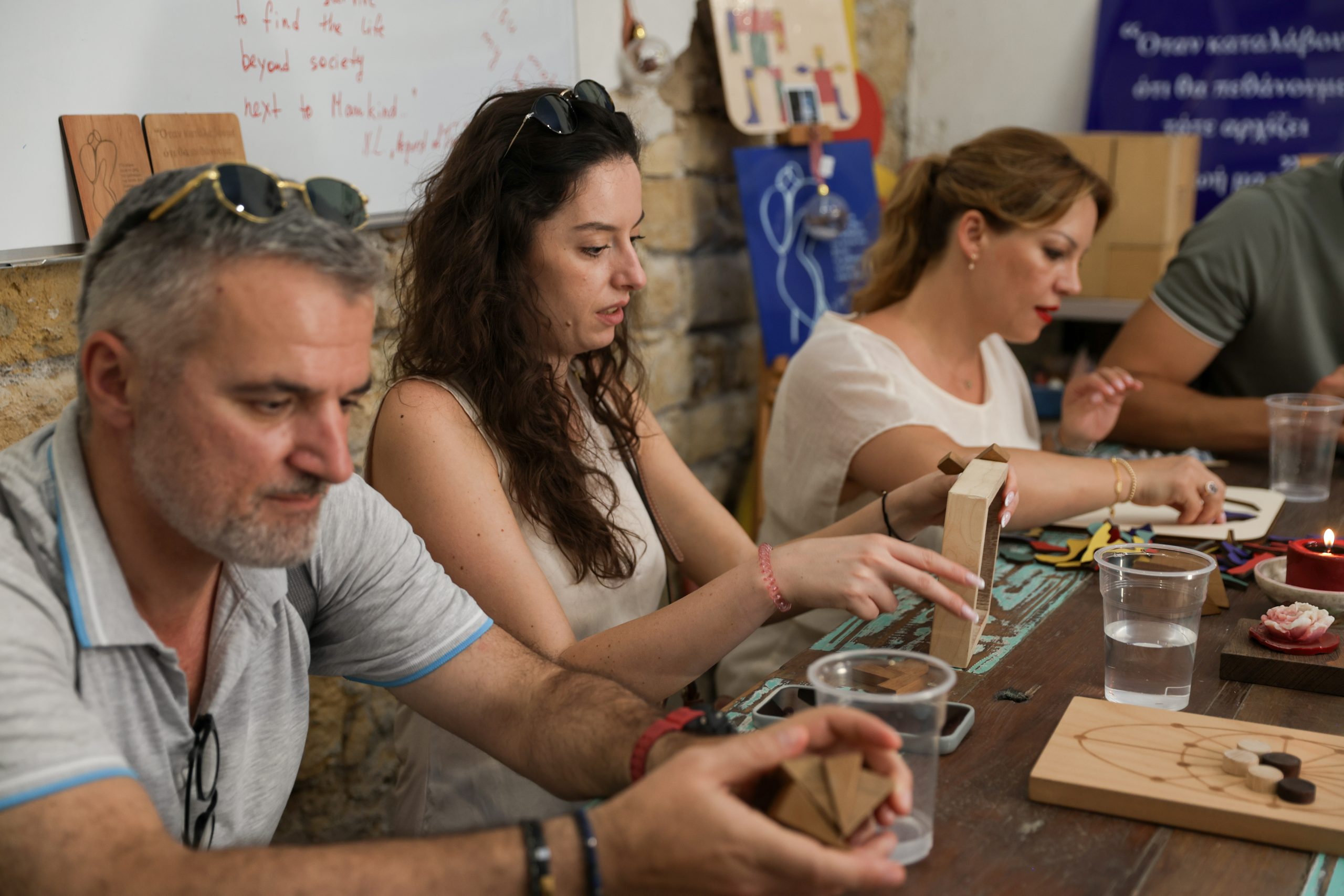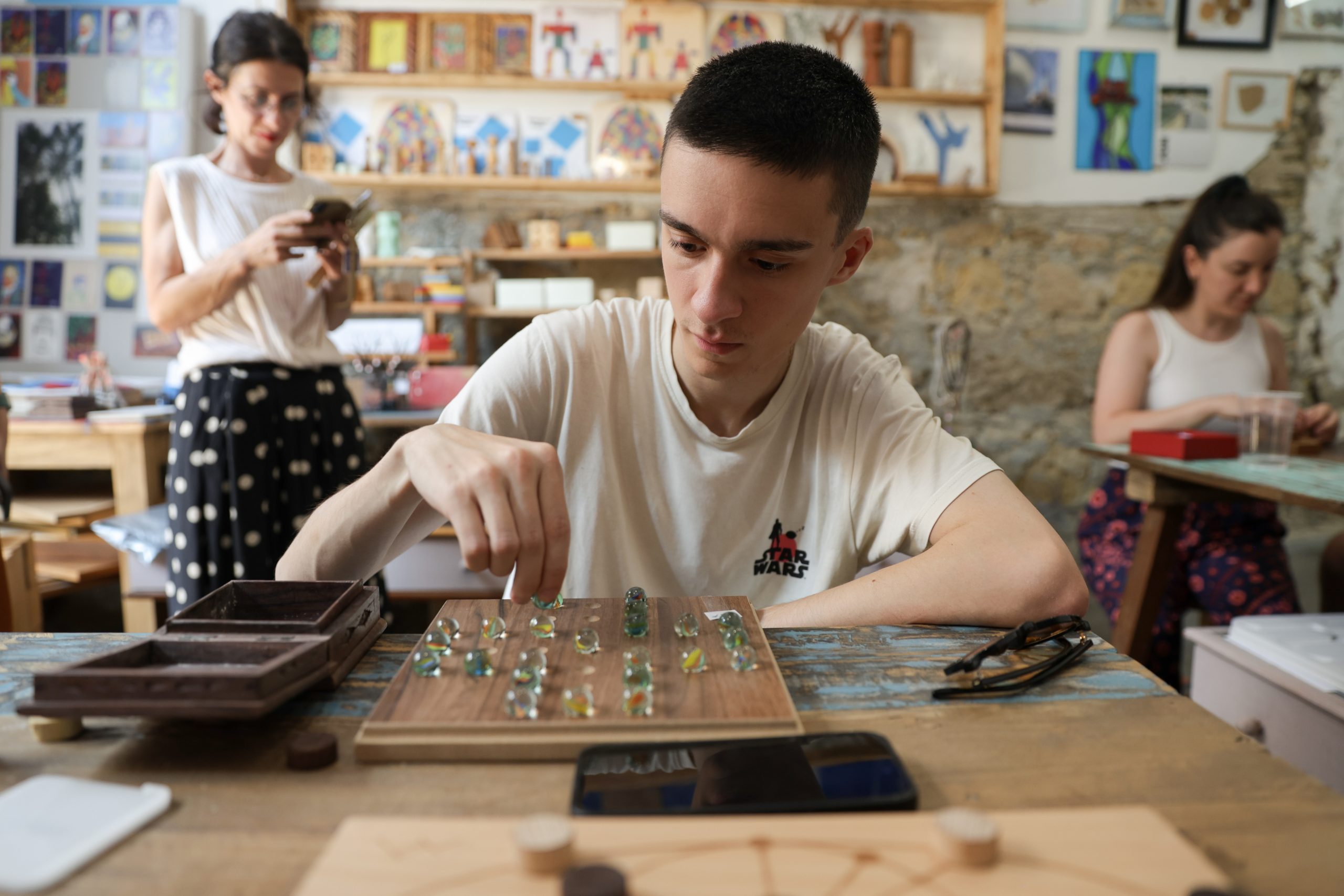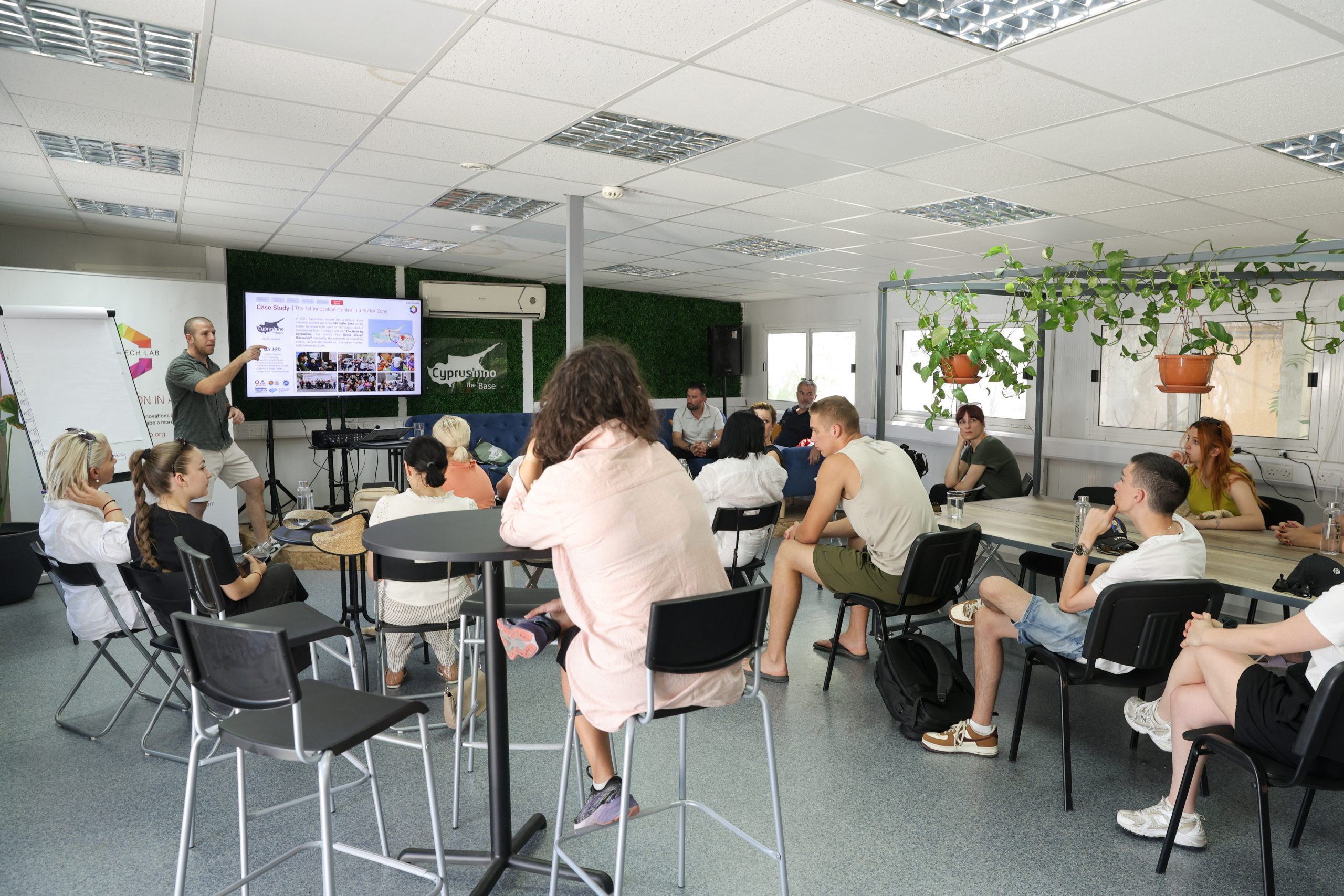

Considering the difficulty for young people to access Comprehensive Sexuality Education (CSE) programmes and to access health and psychological support services, and the consequent need to address the challenges posed by their exposure to all forms of discrimination and gender-based violence (GBV), as well to promote their well-being and mental health, the BOTTOM-UP TALKS project aims to actively tackle teen dating violence and school-related gender-based violence among young people by supporting their mental health and equipping the whole school community with knowledge and skills on CSE, focusing on intersectionality, evidence-based and trauma-informed approaches, while at the same time giving an active role to youth, being able to participate and have their voices heard.
BOTTOM-UP TALKS will implement a number of interventions, which includes: counselling desks, staffed by professionals trained in early detection, prevention and protection from GBV, which will be established in Italy, Greece, Cyprus, Lithuania and France to support to young peoples, teachers and families across a number of secondary schools and outside in other non-formal educational settings; peer-education activities, events and informative sessions which will provide them the competencies needed to tackle gender and sexuality stereotypes; finally, networking and awareness raising activities for professional and educational stakeholders, to suggest solutions and draft recommendations for educational policy makers.
Συμβουλευκτική Επιτροπή Νέων (Υouth Advisory Board):
Eίσαι 16-18 ετών, θέλεις να ακουστεί η φωνή σου και να συμβάλεις σε έναν κόσμο χωρίς έμφυλη βία; Γίνε μέλος της Συμβουλετικής Επιτροπής Νέων (Youth Advisory Board – YAB) του Ευρωπαϊκού έργου BOTTOM-UP TALKS! Μάθε περισσότερα πατώντας στον πιο κάτω σύνδεσμο:

Funded by the European Union. Views and opinions expressed are however those of the author(s) only and do not necessarily reflect those of the European Union or the European Education and Culture Executive Agency (EACEA). Neither the European Union nor EACEA can be held responsible for them.
Funded by the European Union. Views and opinions expressed are however those of the author(s) only and do not necessarily reflect those of the European Union or the European Education and Culture Executive Agency (EACEA). Neither the European Union nor EACEA can be held responsible for them.
Funded by the Other. Views and opinions expressed are however those of the author(s) only and do not necessarily reflect those of the European Union or the European Education and Culture Executive Agency (EACEA). Neither the European Union nor EACEA can be held responsible for them.
Funded by the Other. Views and opinions expressed are however those of the author(s) only and do not necessarily reflect those of the European Union or the European Education and Culture Executive Agency (EACEA). Neither the European Union nor EACEA can be held responsible for them.
Funded by the Other. Views and opinions expressed are however those of the author(s) only and do not necessarily reflect those of the European Union or the European Education and Culture Executive Agency (EACEA). Neither the European Union nor EACEA can be held responsible for them.
Funded by the Other. Views and opinions expressed are however those of the author(s) only and do not necessarily reflect those of the European Union or the European Education and Culture Executive Agency (EACEA). Neither the European Union nor EACEA can be held responsible for them.
Funded by the Other. Views and opinions expressed are however those of the author(s) only and do not necessarily reflect those of the European Union or the European Education and Culture Executive Agency (EACEA). Neither the European Union nor EACEA can be held responsible for them.
Funded by the Other. Views and opinions expressed are however those of the author(s) only and do not necessarily reflect those of the European Union or the European Education and Culture Executive Agency (EACEA). Neither the European Union nor EACEA can be held responsible for them.
Funded by the Other. Views and opinions expressed are however those of the author(s) only and do not necessarily reflect those of the European Union or the European Education and Culture Executive Agency (EACEA). Neither the European Union nor EACEA can be held responsible for them.
Funded by the Other. Views and opinions expressed are however those of the author(s) only and do not necessarily reflect those of the European Union or the European Education and Culture Executive Agency (EACEA). Neither the European Union nor EACEA can be held responsible for them.

Funded by the Other. Views and opinions expressed are however those of the author(s) only and do not necessarily reflect those of the European Union or the European Education and Culture Executive Agency (EACEA). Neither the European Union nor EACEA can be held responsible for them.
Funded by the Other. Views and opinions expressed are however those of the author(s) only and do not necessarily reflect those of the European Union or the European Education and Culture Executive Agency (EACEA). Neither the European Union nor EACEA can be held responsible for them.
Funded by the Other. Views and opinions expressed are however those of the author(s) only and do not necessarily reflect those of the European Union or the European Education and Culture Executive Agency (EACEA). Neither the European Union nor EACEA can be held responsible for them.
Funded by the Other. Views and opinions expressed are however those of the author(s) only and do not necessarily reflect those of the European Union or the European Education and Culture Executive Agency (EACEA). Neither the European Union nor EACEA can be held responsible for them.
Funded by the Other. Views and opinions expressed are however those of the author(s) only and do not necessarily reflect those of the European Union or the European Education and Culture Executive Agency (EACEA). Neither the European Union nor EACEA can be held responsible for them.
Funded by the Other. Views and opinions expressed are however those of the author(s) only and do not necessarily reflect those of the European Union or the European Education and Culture Executive Agency (EACEA). Neither the European Union nor EACEA can be held responsible for them.
Funded by the Other. Views and opinions expressed are however those of the author(s) only and do not necessarily reflect those of the European Union or the European Education and Culture Executive Agency (EACEA). Neither the European Union nor EACEA can be held responsible for them.
Project Number:
We deliver tailored email communications to ensure timely updates and engagement across our network.
Our social platforms are active hubs for connection, promotion, and engagement:
Strategic support to elevate visual identity and messaging across projects:
Bringing stories to life through high-quality media production:
Expanding our reach through strategic media relations:
Email Campaigns