IMEDIAL 

IMEDIAL – Increasing MEDIA Literacy skills of adults to fight misinformation, fake news and cyberbullying

Description

The IMEDIAL project is based on reports and statistics review at national and EU levels and own research of partners. It is a response to the need to integrate “critical thinking, information evaluation and media literacy as some of the top skills for the 21st century” into educational systems. It is addressed to learners and educators. The IMEDIAL project aims to increase the MEDIA literacy skills of adults to combat misinformation, false news and cyber aggression.

Objectives

The objectives of the IMEDIAL project are:
– Expanding and developing the skills and competencies of media education of adult educators in the effective teaching of these skills (especially those working with disadvantaged students);
– Increasing the media literacy skills of adult learners (especially disadvantaged).

Consortium

– Arad Development Centre (CDA) (RO)
– Consorzio Materahub Industrie Culturali E Creative (IT)
– Center for Social Innovation (CSI) (CY)
– Valencia Inno Hub (Innohub) (ES)
– Centre For Education And Entrepreneurship Support (CWEP) (PL)
– E&D Knowledge Consulting (PT)
– LABC (ΕS)

At a glance:

IMEDIAL 
Co-Funded by the EU

Project Duration:

24 months

Project Start:

01/10/2020

Project End:

30/09/2022

Project Social Media:

Project Views:

Loading

Funded by the European Union. Views and opinions expressed are however those of the author(s) only and do not necessarily reflect those of the European Union or the European Education and Culture Executive Agency (EACEA). Neither the European Union nor EACEA can be held responsible for them.
Funded by the European Union. Views and opinions expressed are however those of the author(s) only and do not necessarily reflect those of the European Union or the European Education and Culture Executive Agency (EACEA). Neither the European Union nor EACEA can be held responsible for them.
Funded by the Other. Views and opinions expressed are however those of the author(s) only and do not necessarily reflect those of the European Union or the European Education and Culture Executive Agency (EACEA). Neither the European Union nor EACEA can be held responsible for them.

Funded by the Other. Views and opinions expressed are however those of the author(s) only and do not necessarily reflect those of the European Union or the European Education and Culture Executive Agency (EACEA). Neither the European Union nor EACEA can be held responsible for them.

Funded by the Other. Views and opinions expressed are however those of the author(s) only and do not necessarily reflect those of the European Union or the European Education and Culture Executive Agency (EACEA). Neither the European Union nor EACEA can be held responsible for them.

Funded by the Other. Views and opinions expressed are however those of the author(s) only and do not necessarily reflect those of the European Union or the European Education and Culture Executive Agency (EACEA). Neither the European Union nor EACEA can be held responsible for them.

Funded by the Other. Views and opinions expressed are however those of the author(s) only and do not necessarily reflect those of the European Union or the European Education and Culture Executive Agency (EACEA). Neither the European Union nor EACEA can be held responsible for them.

Funded by the Other. Views and opinions expressed are however those of the author(s) only and do not necessarily reflect those of the European Union or the European Education and Culture Executive Agency (EACEA). Neither the European Union nor EACEA can be held responsible for them.

Funded by the Other. Views and opinions expressed are however those of the author(s) only and do not necessarily reflect those of the European Union or the European Education and Culture Executive Agency (EACEA). Neither the European Union nor EACEA can be held responsible for them.

Funded by the Other. Views and opinions expressed are however those of the author(s) only and do not necessarily reflect those of the European Union or the European Education and Culture Executive Agency (EACEA). Neither the European Union nor EACEA can be held responsible for them.

Funded by the Other. Views and opinions expressed are however those of the author(s) only and do not necessarily reflect those of the European Union or the European Education and Culture Executive Agency (EACEA). Neither the European Union nor EACEA can be held responsible for them.

Funded by the Other. Views and opinions expressed are however those of the author(s) only and do not necessarily reflect those of the European Union or the European Education and Culture Executive Agency (EACEA). Neither the European Union nor EACEA can be held responsible for them.

Funded by the Other. Views and opinions expressed are however those of the author(s) only and do not necessarily reflect those of the European Union or the European Education and Culture Executive Agency (EACEA). Neither the European Union nor EACEA can be held responsible for them.

Funded by the Other. Views and opinions expressed are however those of the author(s) only and do not necessarily reflect those of the European Union or the European Education and Culture Executive Agency (EACEA). Neither the European Union nor EACEA can be held responsible for them.

Funded by the Other. Views and opinions expressed are however those of the author(s) only and do not necessarily reflect those of the European Union or the European Education and Culture Executive Agency (EACEA). Neither the European Union nor EACEA can be held responsible for them.

Funded by the Other. Views and opinions expressed are however those of the author(s) only and do not necessarily reflect those of the European Union or the European Education and Culture Executive Agency (EACEA). Neither the European Union nor EACEA can be held responsible for them.

Funded by the Other. Views and opinions expressed are however those of the author(s) only and do not necessarily reflect those of the European Union or the European Education and Culture Executive Agency (EACEA). Neither the European Union nor EACEA can be held responsible for them.

Project Number:

2020-1-RO01-KA204-079798

Email Campaigns

We deliver tailored email communications to ensure timely updates and engagement across our network.

Social Media Management

Our social platforms are active hubs for connection, promotion, and engagement:

  • Content Creation & Posting: Sharing stories, updates, and announcements with our wider community.
  • Event Highlights: Promoting key events and initiatives across channels.
  • Community Engagement: Managing interactions, responding to feedback, and fostering online dialogue.

Branding Consultation

Strategic support to elevate visual identity and messaging across projects:

  • EU Project Branding: Led by Helen V., this includes the development of brand manuals, logos, templates, and print assets.
  • Communication Mix Strategy: Customized plans to optimize visibility across digital and traditional platforms.

Audiovisual Production

Bringing stories to life through high-quality media production:

  • In-House Content Creation: Producing videos, podcasts, and other multimedia for internal use.
  • Partnership with Black Lemon TV: Full-spectrum production, including editing and social-ready content.
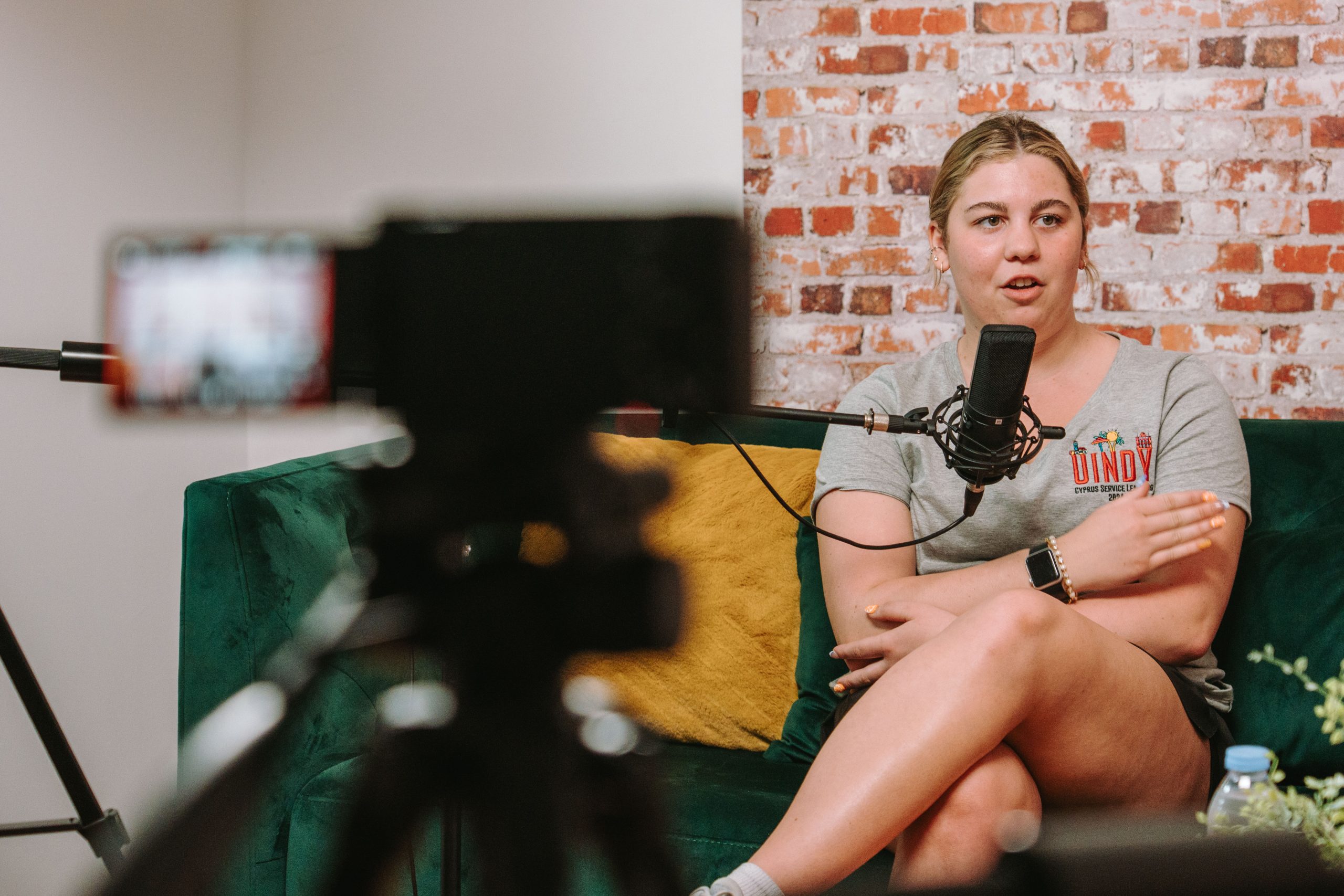
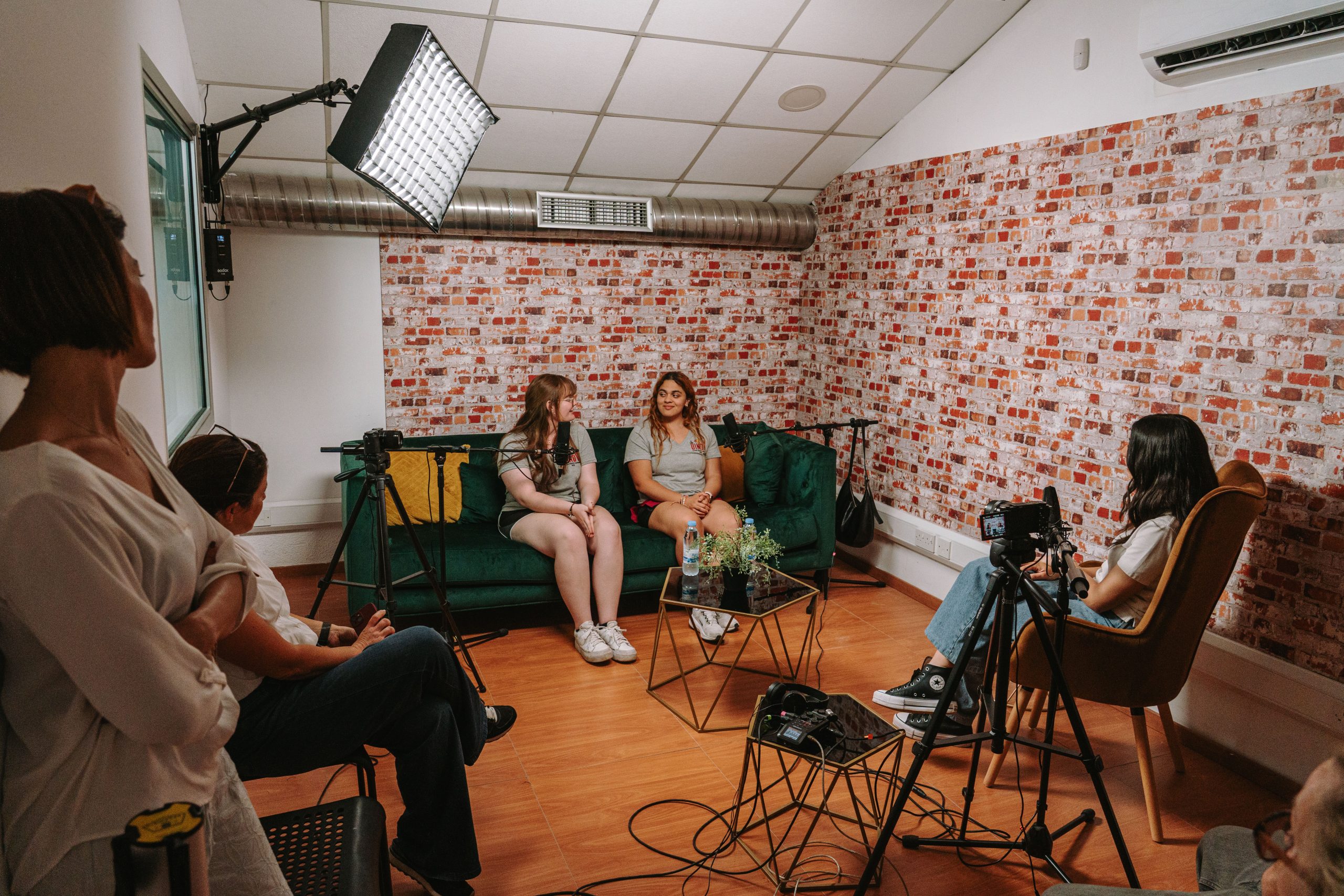
  • Studio Services: Audio recording, mobile interviews, and editing support available through our internal studio.

Media & Press Support

Expanding our reach through strategic media relations:

  • Press Coordination: Managing outreach and coverage for CSI’s branding and major projects.

Digital Content & Branding Team

Digital Content & Branding Team

Email Campaigns

Spring 2025 - Entrepreneurship & Business Development

Spring 2025 - Entrepreneurship & Business Development

2024: Spring 2024 – Sport & Physical Education

Ready to kick off your career?