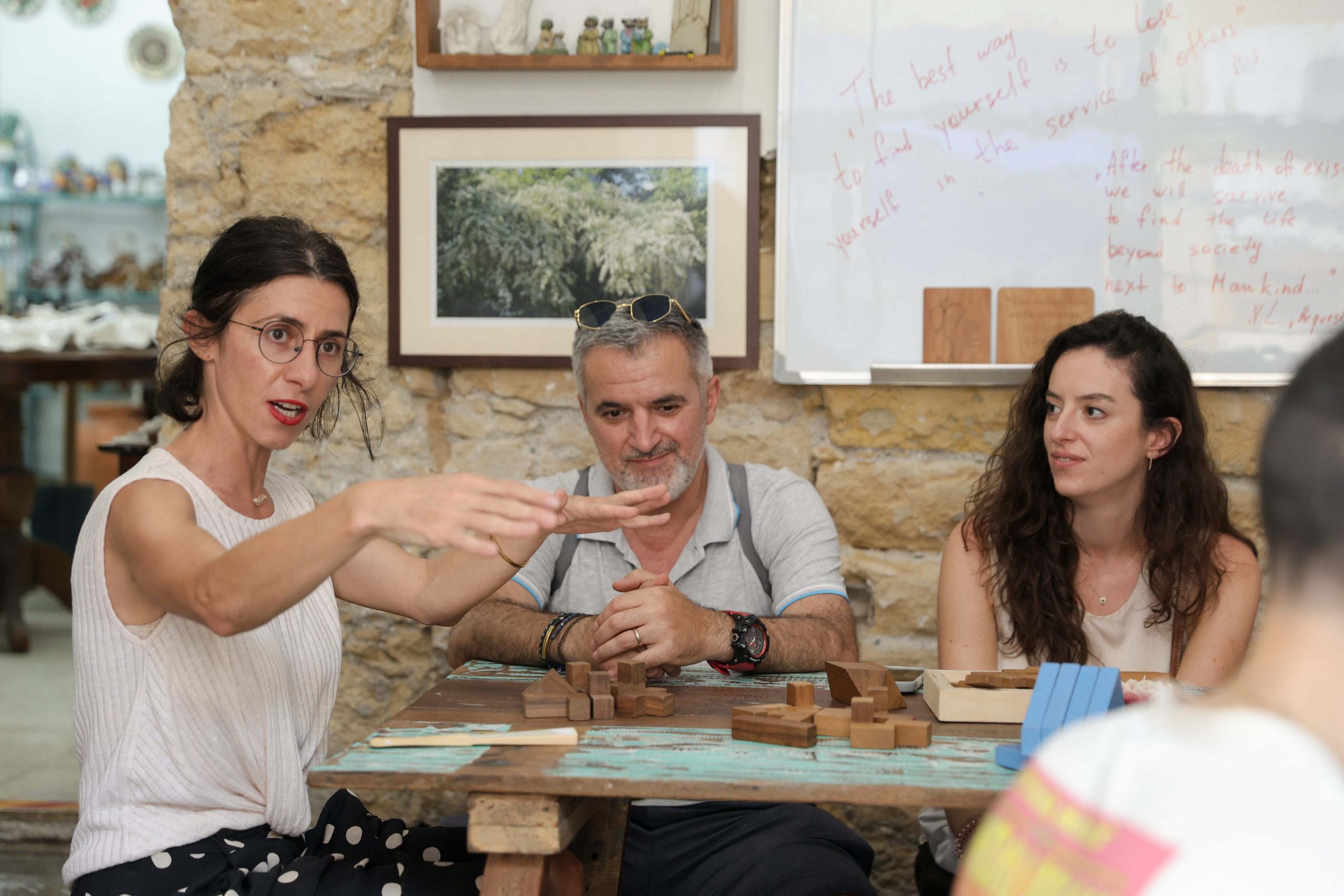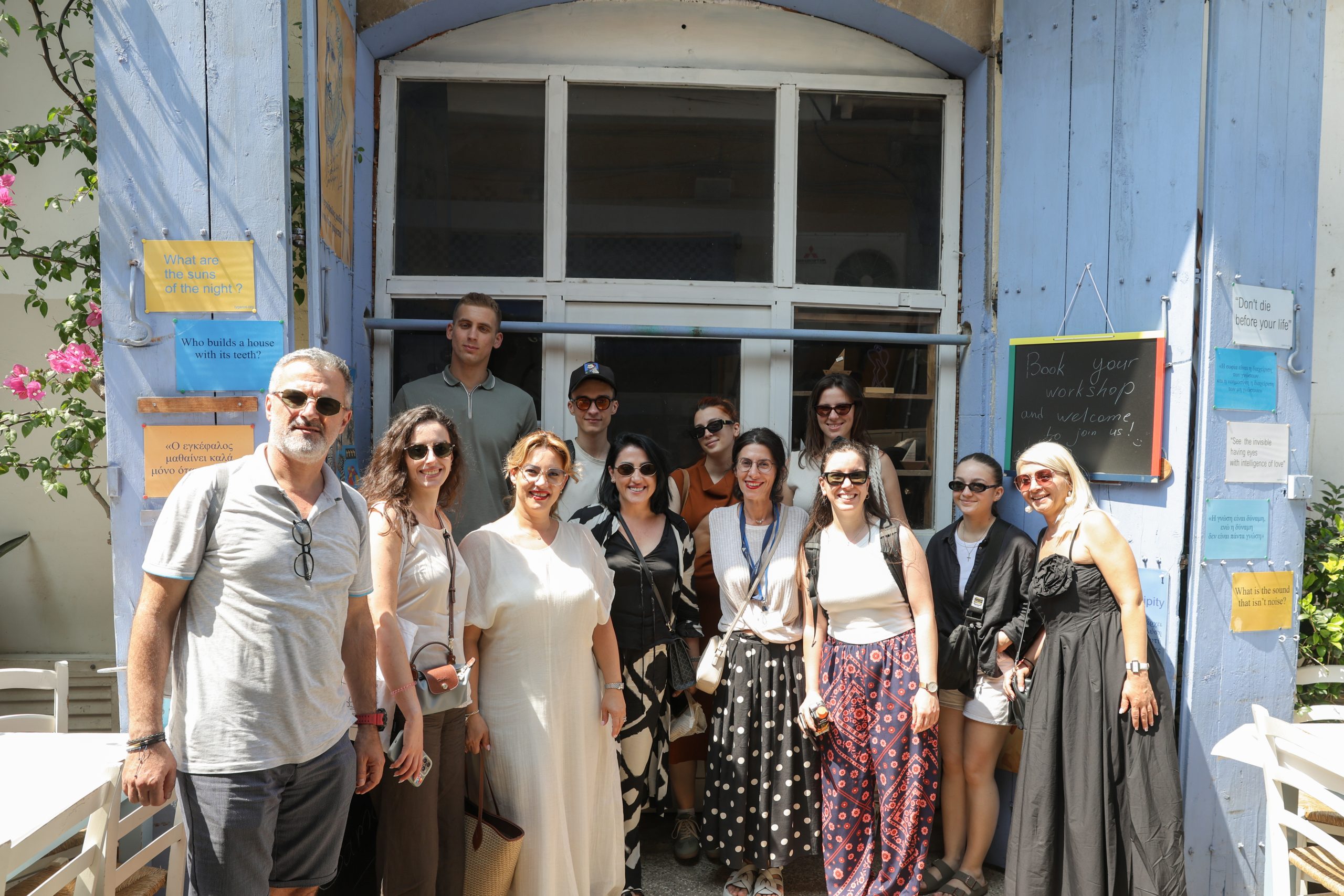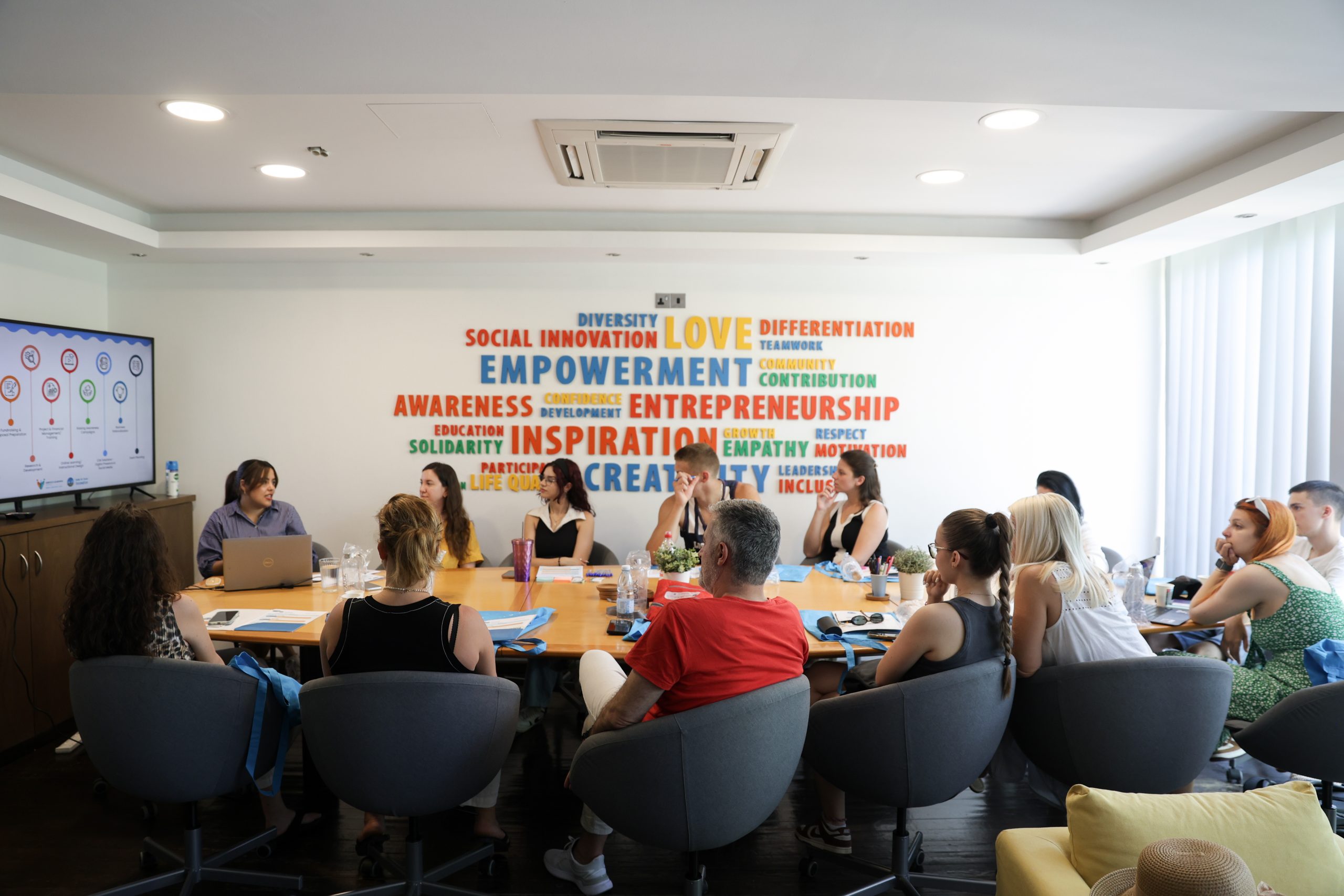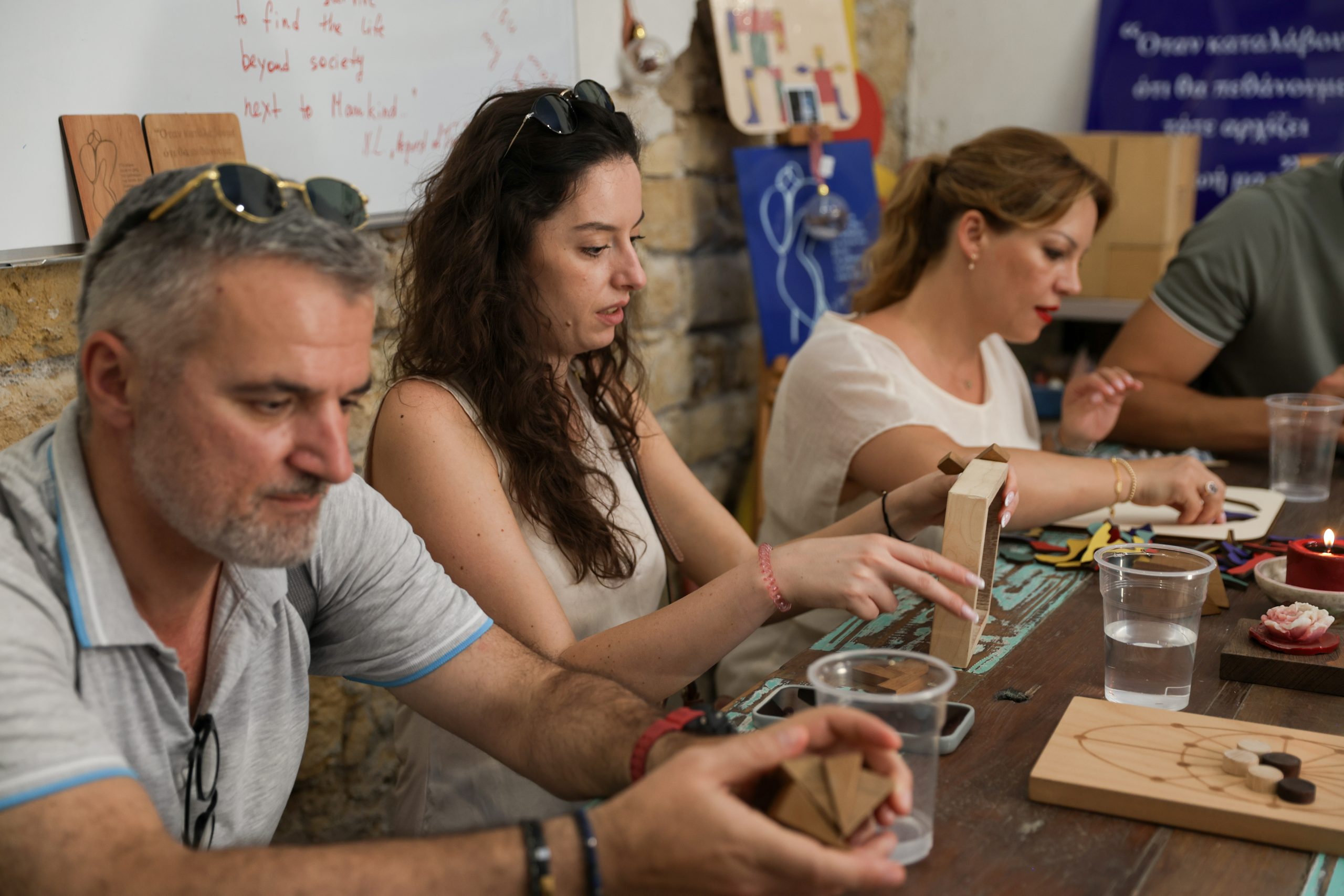
The DESIPOC project aims to enhance mental health care in Europe, focusing on patients, carers, families, and healthcare professionals. It recognizes the differences in how psychosocial oncology care is provided across European countries and the need for better mental health initiatives. To address this, the project will create a comprehensive platform that includes a knowledge hub, virtual observatory, and training system. This platform will gather and share best practices, resources, and strategies to improve mental health screening, communication, and skills.
The project will use behavioral science frameworks like COM-B to understand the specific needs of different countries and guide policy interventions. AI and machine learning features will help tailor interventions to individual needs. Additionally, the project will pilot policy suggestions in five countries: Cyprus, Greece, Lithuania, Romania, and Spain. By doing so, DESIPOC aims to improve the overall quality of psychosocial oncology care.
SO1: To build Electronic Data Collection (EDC) tools including reviewing available questionnaires, focus groups for
content development, pilot for psychometric properties, translation procedure and cultural adaptation to measure the
determinants of psychosocial stress for patients, carers and healthcare professionals (survey1) and of healthcare
professionals’ skills for delivering psychosocial oncology supportive care efficiently (survey2)
SO2: To collate best-practice evidence and lessons learnt from participating Member States to develop a set of citizencentered
evidence- based, scientifically sound recommendations and advice on how best to deliver psychosocial
oncology care and to help healthcare professionals efficiently screen and tackle psychosocial oncology care.
SO3: To provide a comprehensive assessment of factors underlying psychosocial stress and healthcare professionals’
barriers and facilitators to provide psychosocial oncology care as well as their distribution among target population groups
to inform a citizen-centered approach.
SO4: To design and develop an intuitive and interactive virtual observatory (the DESIPOC platform) to foster
dissemination, transferability, utilization of project results across the participating member states, the EU/EEA and
beyond.
SO5: To translate research evidence generated by other WPs into evidence-based recommendations by engaging with
stakeholders to address barriers and knowledge gaps and co-create practical solutions for implementation at regional,
national, and European level.
1) CUT – TECHNOLOGIKO PANEPISTIMIO KYPROU
2) CSI – CSI CENTER FOR SOCIAL INNOVATION LTD
3) ICCS – EREVNITIKO PANEPISTIMIAKO INSTITOUTO SYSTIMATON EPIKOINONION KAI YPOLOGISTON
4) LSMU – LIETUVOS SVEIKATOS MOKSLU UNIVERSITETAS
5) E.C.O. – EUROPEAN CANCER ORGANISATION BE 997983628 199 448.00 159 558.40
6) PASYKAF – PAGKYPRIOS SYNDESMOS KARKINOPATHON KAI FILON 1986
7) MERIC MEDICAL EDUCATION RESEARCH AND INNOVATION CENTER S.R.L.
8) ADIPER ADI & SALU SERSOC SL

Funded by the European Union. Views and opinions expressed are however those of the author(s) only and do not necessarily reflect those of the European Union or the European Education and Culture Executive Agency (EACEA). Neither the European Union nor EACEA can be held responsible for them.
Funded by the European Union. Views and opinions expressed are however those of the author(s) only and do not necessarily reflect those of the European Union or the European Education and Culture Executive Agency (EACEA). Neither the European Union nor EACEA can be held responsible for them.
Funded by the Other. Views and opinions expressed are however those of the author(s) only and do not necessarily reflect those of the European Union or the European Education and Culture Executive Agency (EACEA). Neither the European Union nor EACEA can be held responsible for them.
Funded by the Other. Views and opinions expressed are however those of the author(s) only and do not necessarily reflect those of the European Union or the European Education and Culture Executive Agency (EACEA). Neither the European Union nor EACEA can be held responsible for them.
Funded by the Other. Views and opinions expressed are however those of the author(s) only and do not necessarily reflect those of the European Union or the European Education and Culture Executive Agency (EACEA). Neither the European Union nor EACEA can be held responsible for them.
Funded by the Other. Views and opinions expressed are however those of the author(s) only and do not necessarily reflect those of the European Union or the European Education and Culture Executive Agency (EACEA). Neither the European Union nor EACEA can be held responsible for them.
Funded by the Other. Views and opinions expressed are however those of the author(s) only and do not necessarily reflect those of the European Union or the European Education and Culture Executive Agency (EACEA). Neither the European Union nor EACEA can be held responsible for them.
Funded by the Other. Views and opinions expressed are however those of the author(s) only and do not necessarily reflect those of the European Union or the European Education and Culture Executive Agency (EACEA). Neither the European Union nor EACEA can be held responsible for them.
Funded by the Other. Views and opinions expressed are however those of the author(s) only and do not necessarily reflect those of the European Union or the European Education and Culture Executive Agency (EACEA). Neither the European Union nor EACEA can be held responsible for them.
Funded by the Other. Views and opinions expressed are however those of the author(s) only and do not necessarily reflect those of the European Union or the European Education and Culture Executive Agency (EACEA). Neither the European Union nor EACEA can be held responsible for them.

Funded by the Other. Views and opinions expressed are however those of the author(s) only and do not necessarily reflect those of the European Union or the European Education and Culture Executive Agency (EACEA). Neither the European Union nor EACEA can be held responsible for them.
Funded by the Other. Views and opinions expressed are however those of the author(s) only and do not necessarily reflect those of the European Union or the European Education and Culture Executive Agency (EACEA). Neither the European Union nor EACEA can be held responsible for them.
Funded by the Other. Views and opinions expressed are however those of the author(s) only and do not necessarily reflect those of the European Union or the European Education and Culture Executive Agency (EACEA). Neither the European Union nor EACEA can be held responsible for them.
Funded by the Other. Views and opinions expressed are however those of the author(s) only and do not necessarily reflect those of the European Union or the European Education and Culture Executive Agency (EACEA). Neither the European Union nor EACEA can be held responsible for them.
Funded by the Other. Views and opinions expressed are however those of the author(s) only and do not necessarily reflect those of the European Union or the European Education and Culture Executive Agency (EACEA). Neither the European Union nor EACEA can be held responsible for them.
Funded by the Other. Views and opinions expressed are however those of the author(s) only and do not necessarily reflect those of the European Union or the European Education and Culture Executive Agency (EACEA). Neither the European Union nor EACEA can be held responsible for them.
Funded by the Other. Views and opinions expressed are however those of the author(s) only and do not necessarily reflect those of the European Union or the European Education and Culture Executive Agency (EACEA). Neither the European Union nor EACEA can be held responsible for them.
Project Number:
We deliver tailored email communications to ensure timely updates and engagement across our network.
Our social platforms are active hubs for connection, promotion, and engagement:
Strategic support to elevate visual identity and messaging across projects:
Bringing stories to life through high-quality media production:
Expanding our reach through strategic media relations:
Email Campaigns