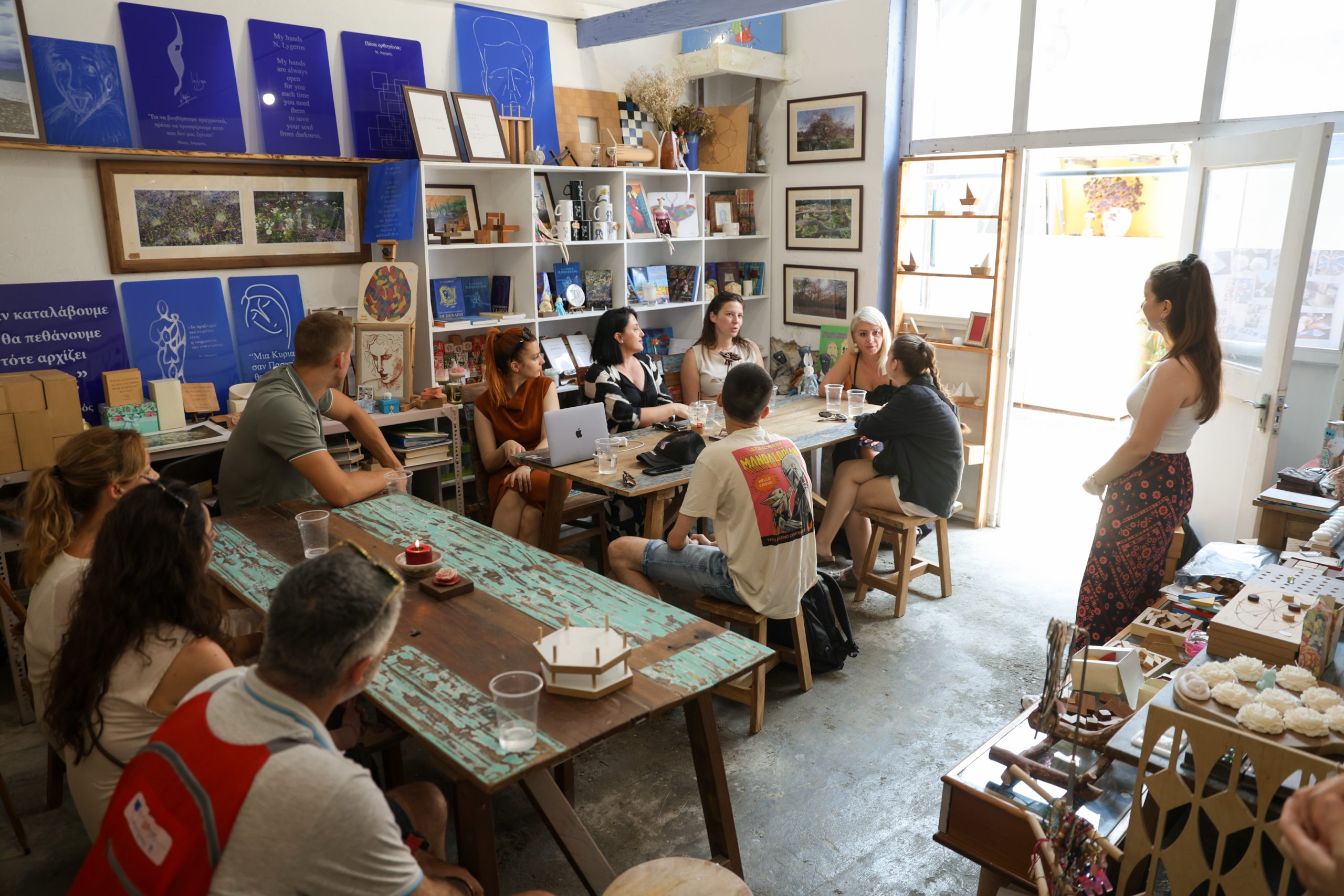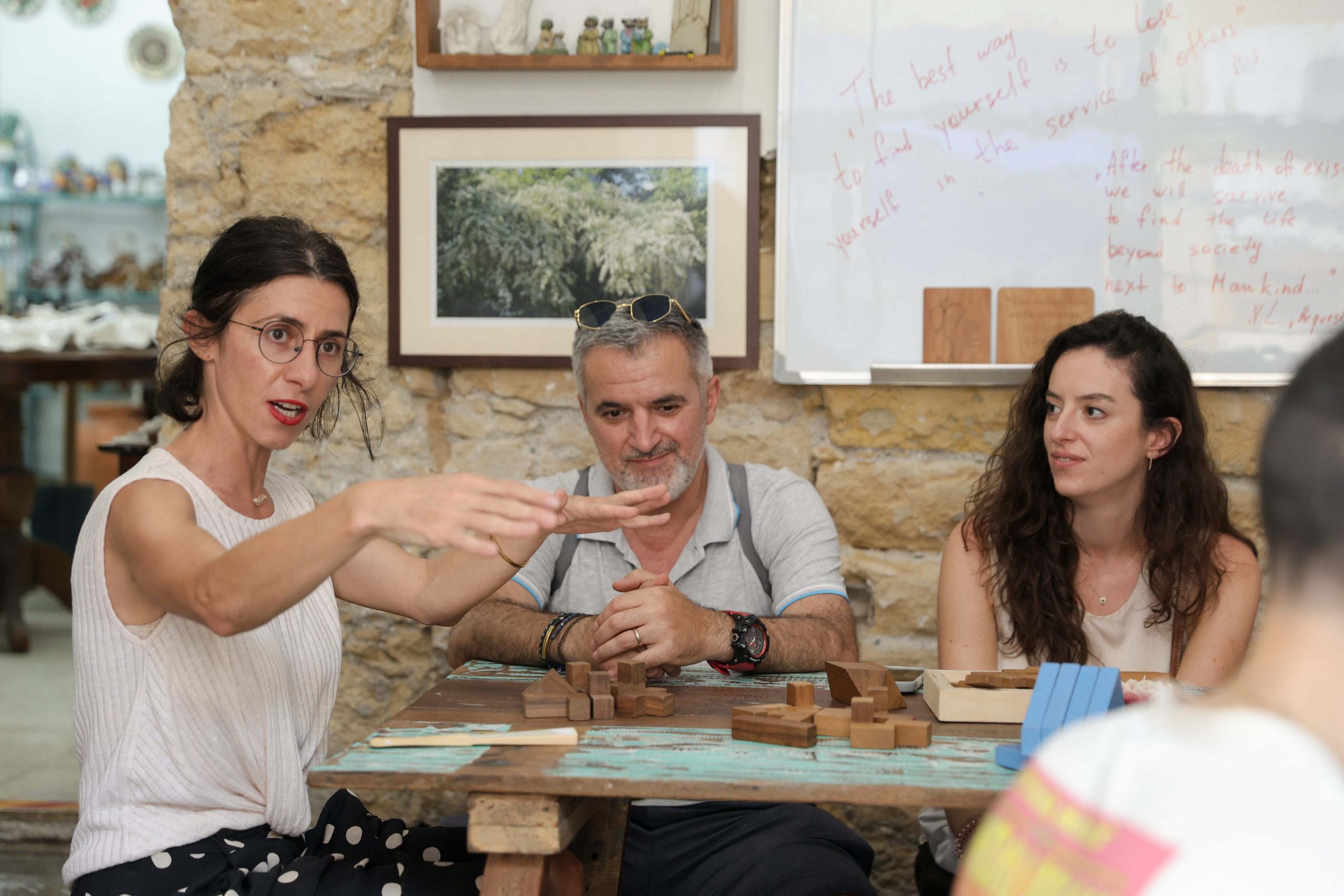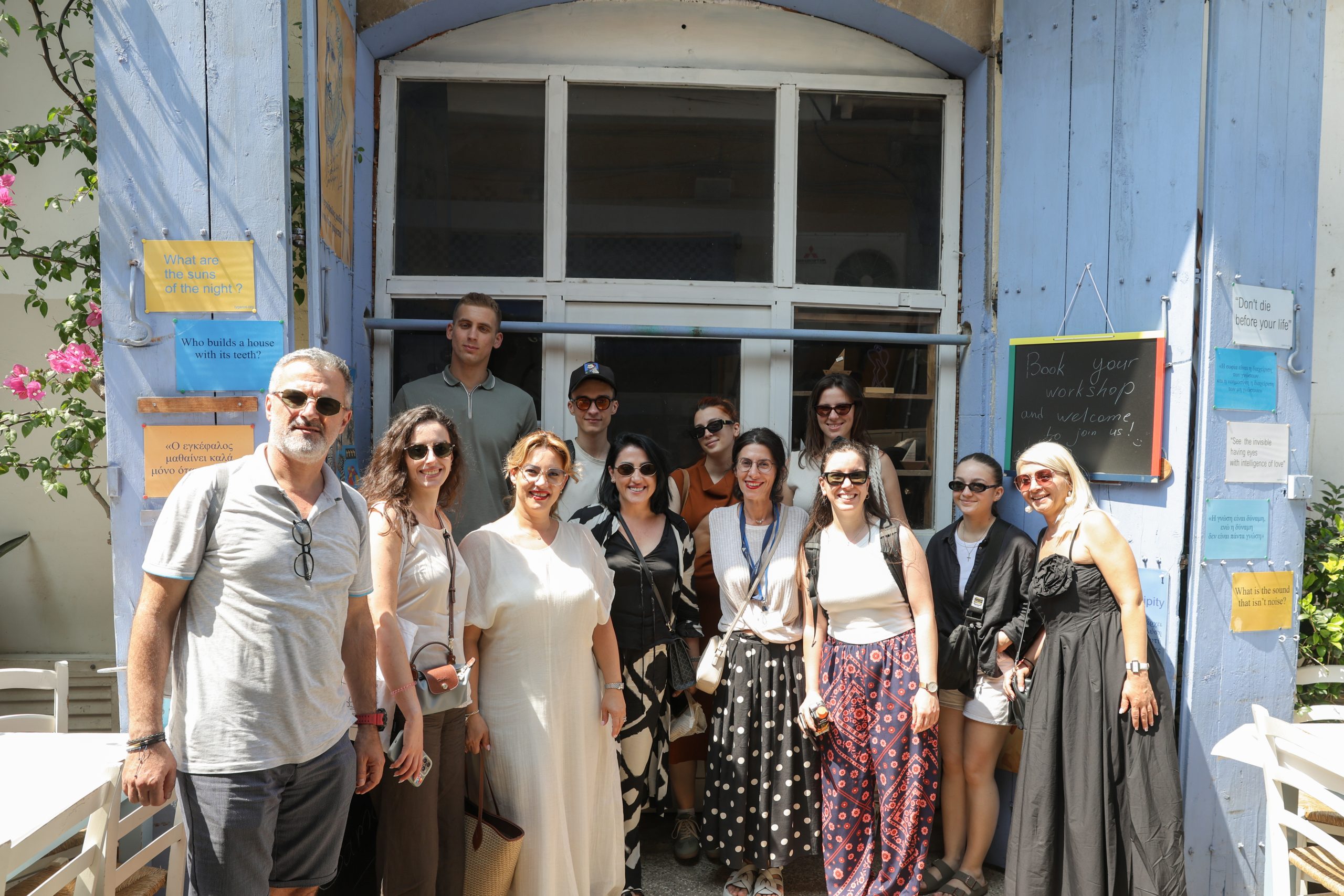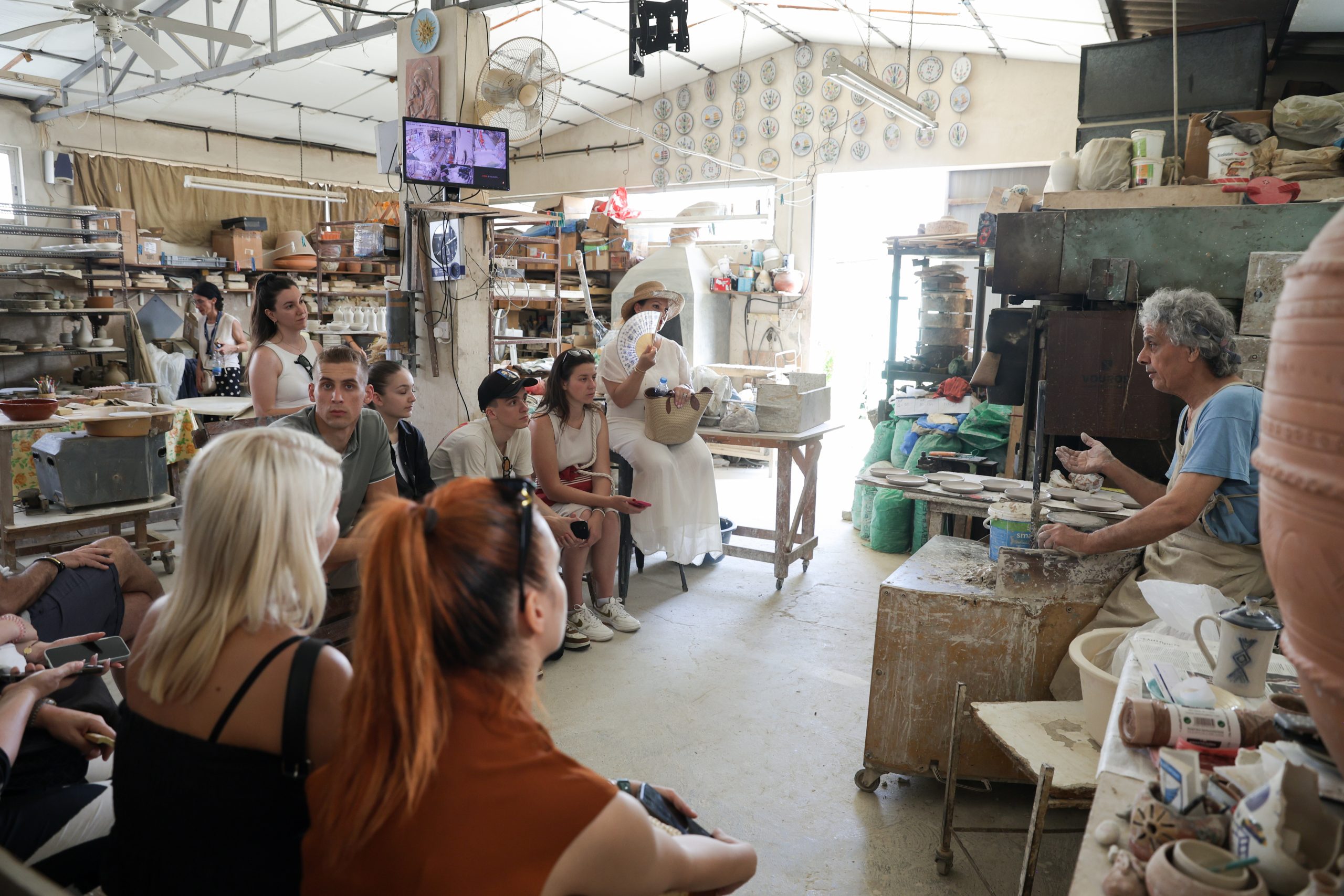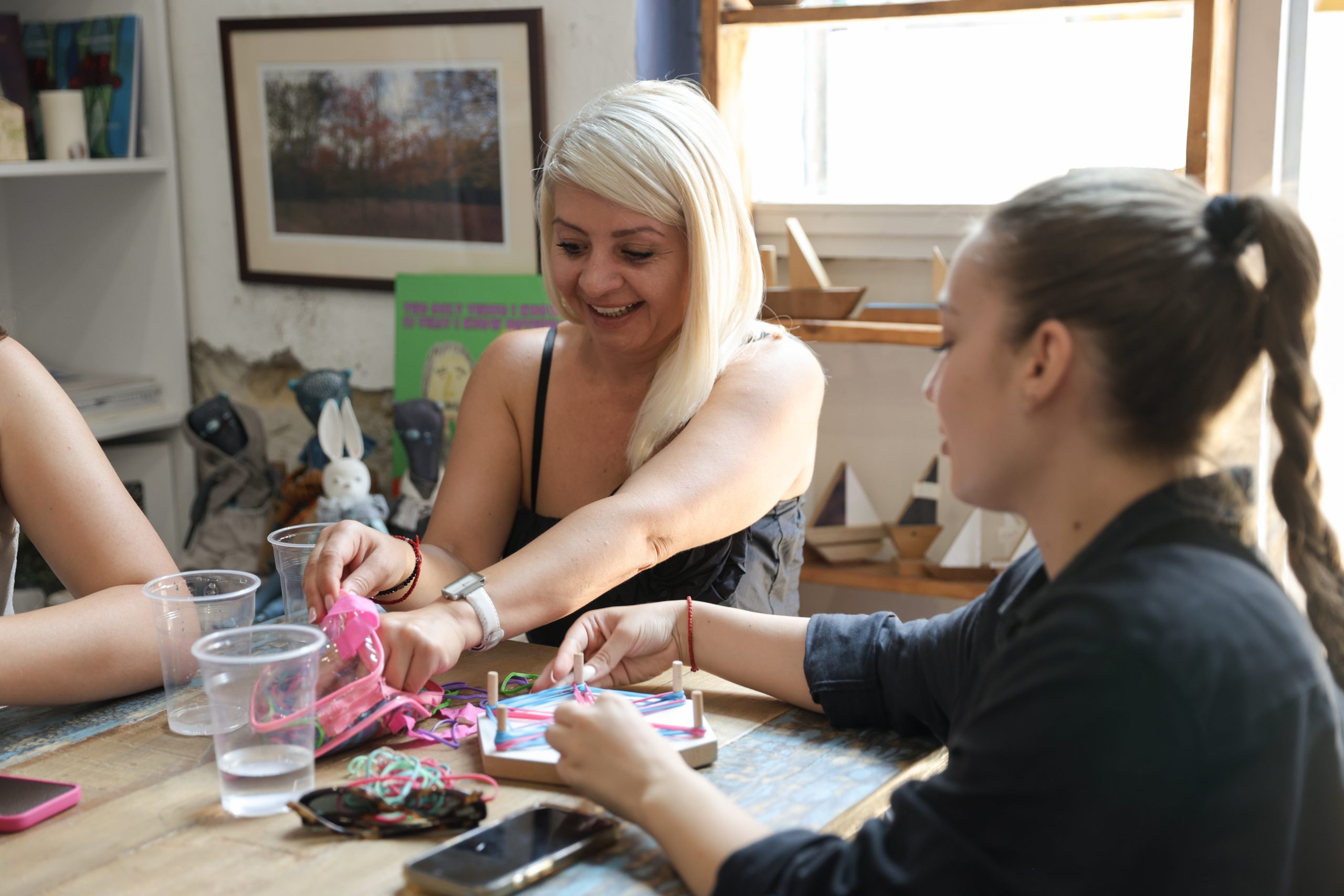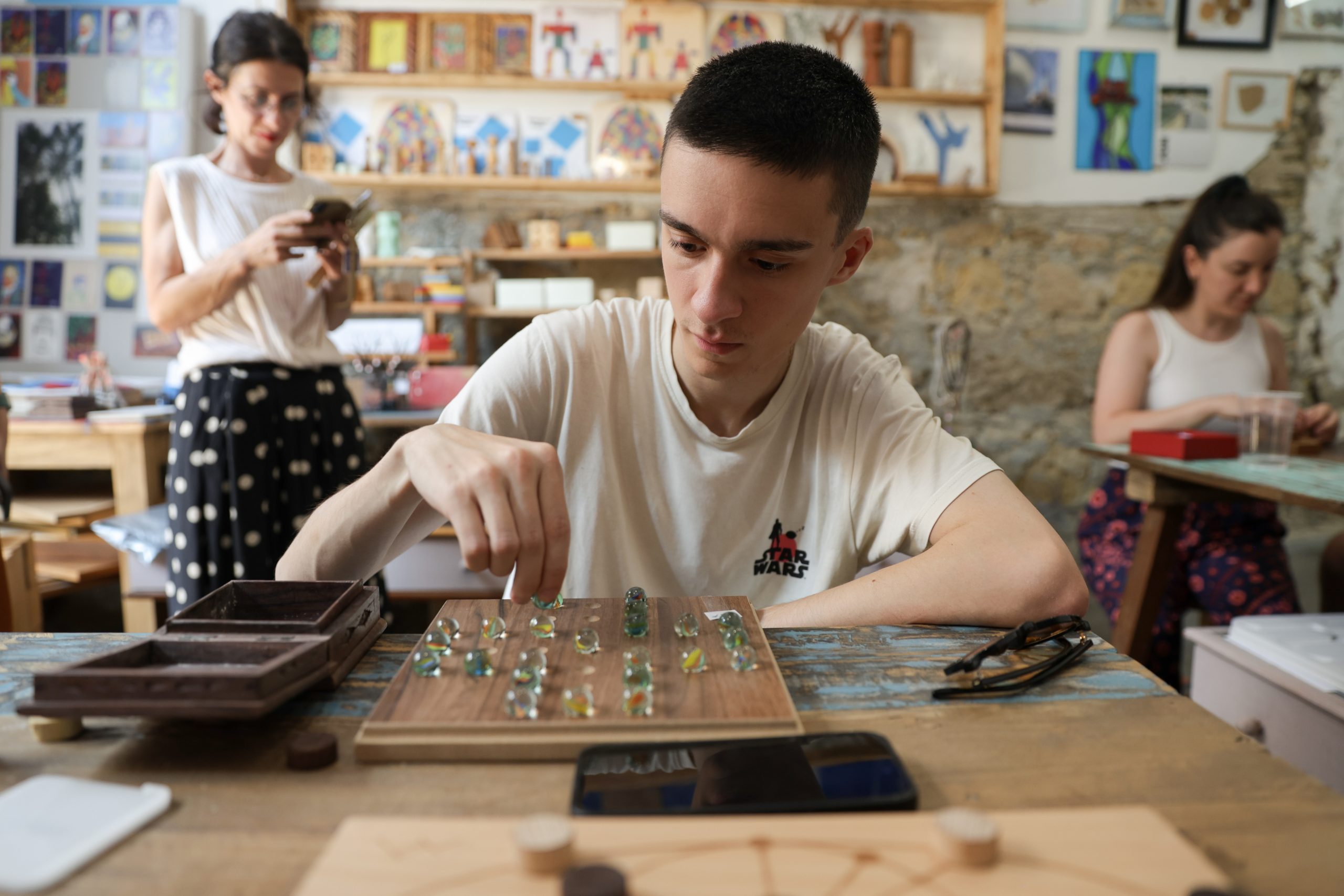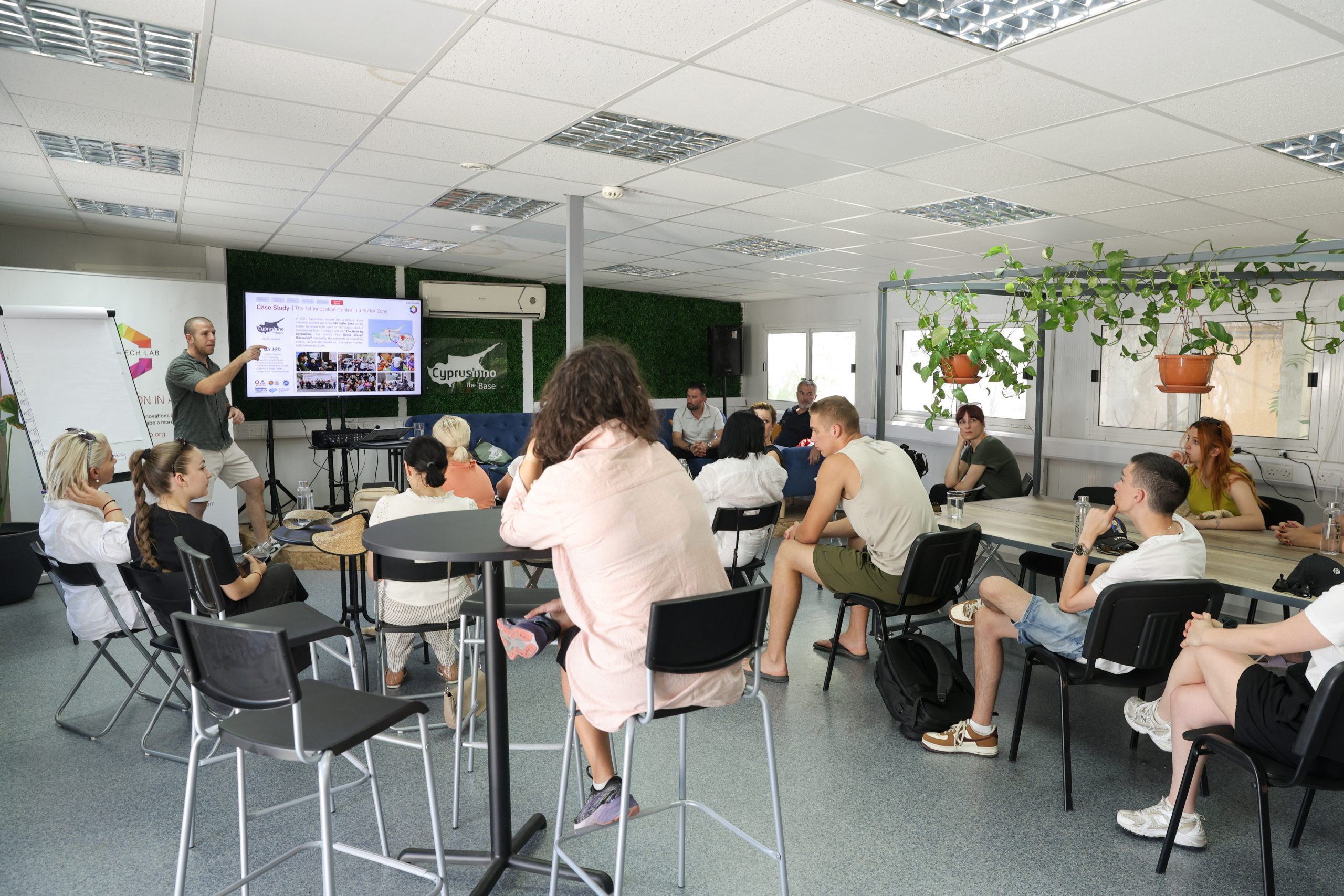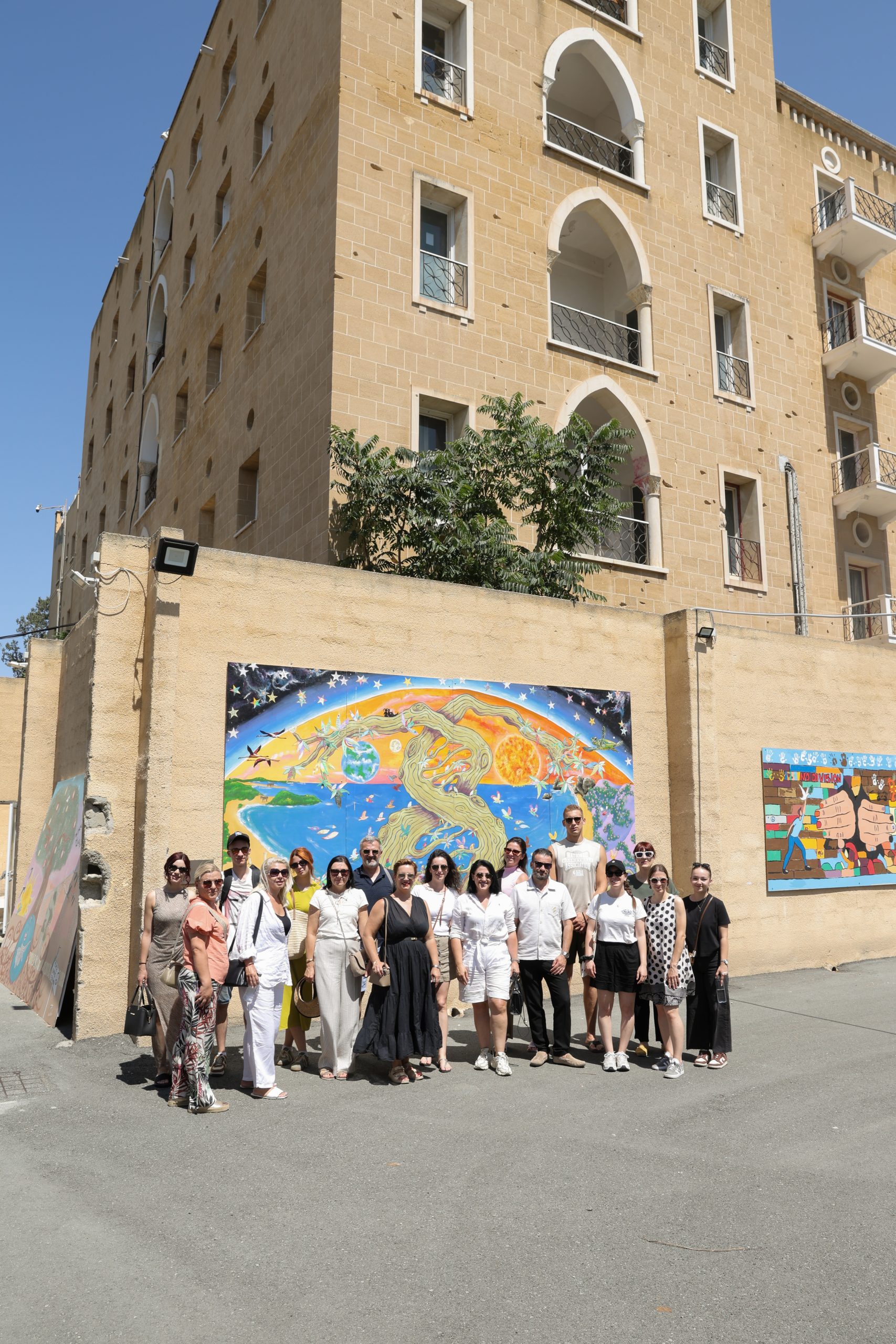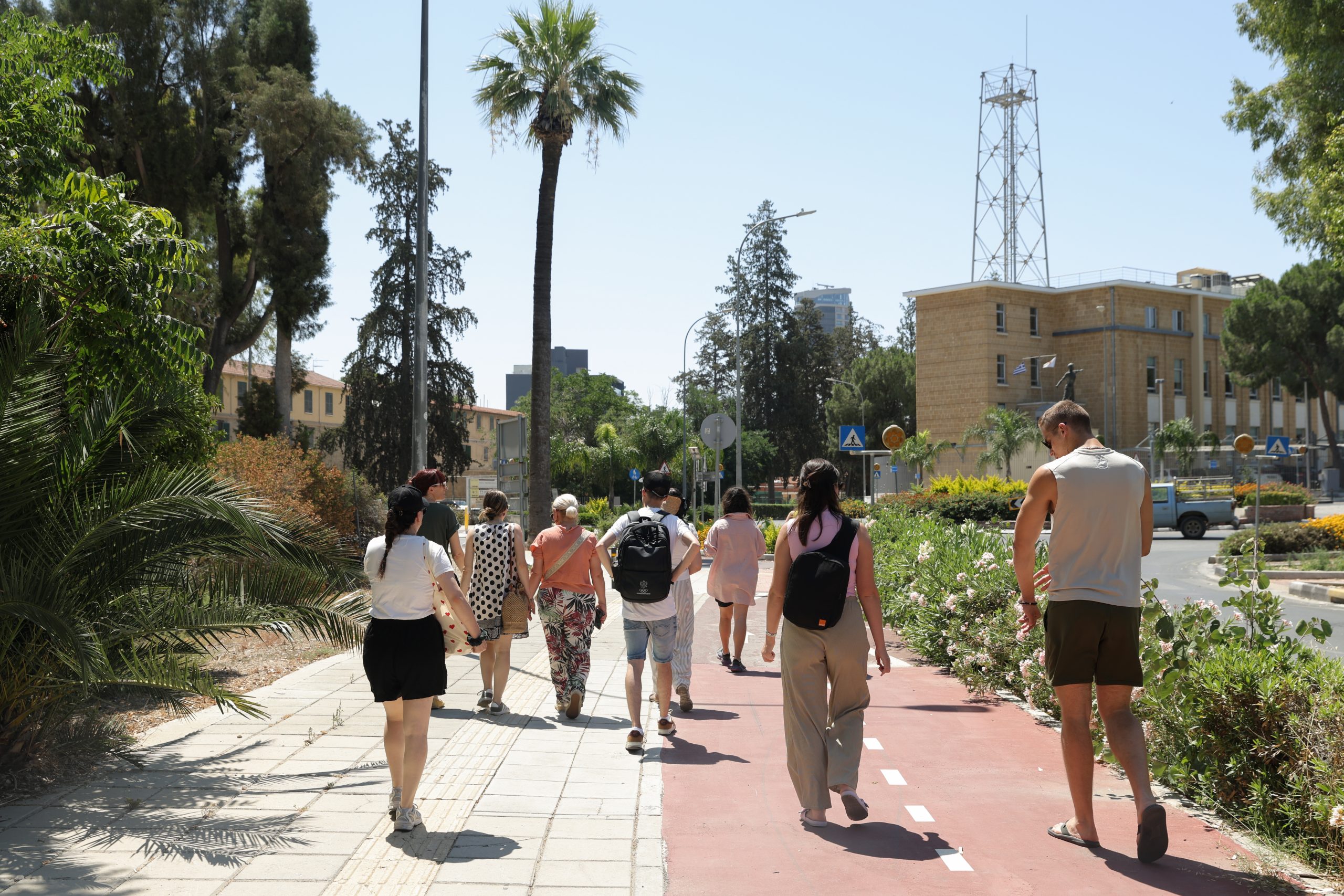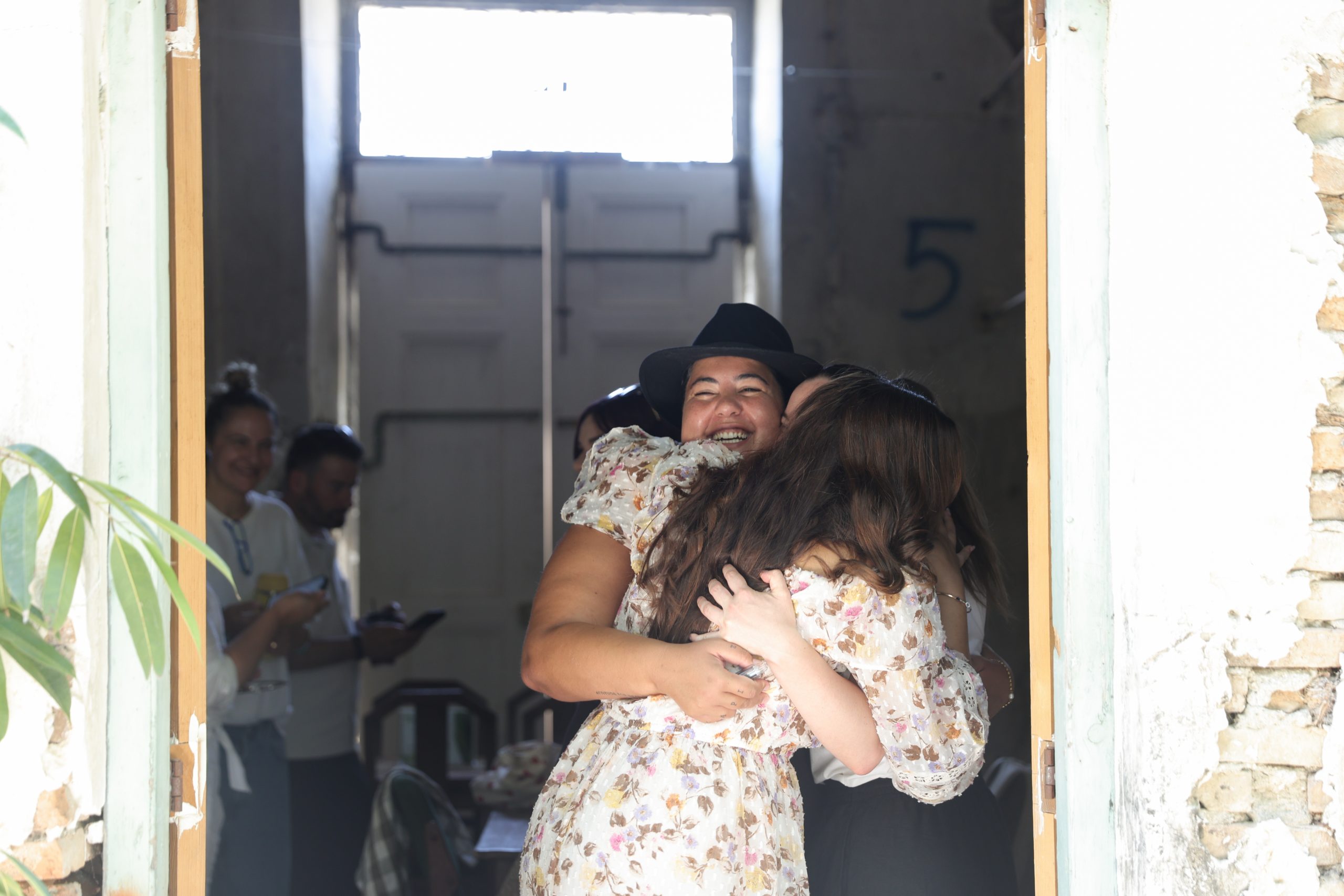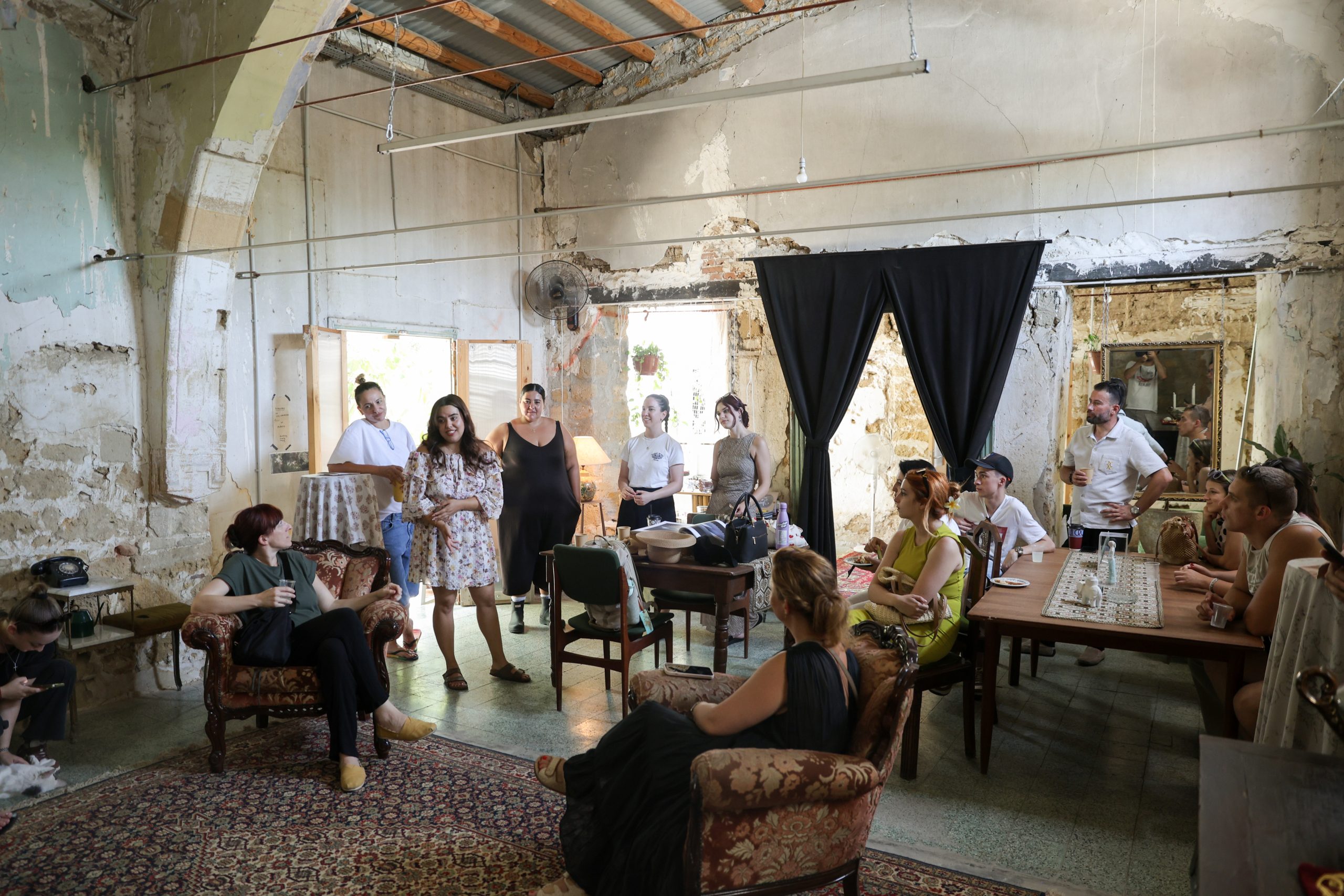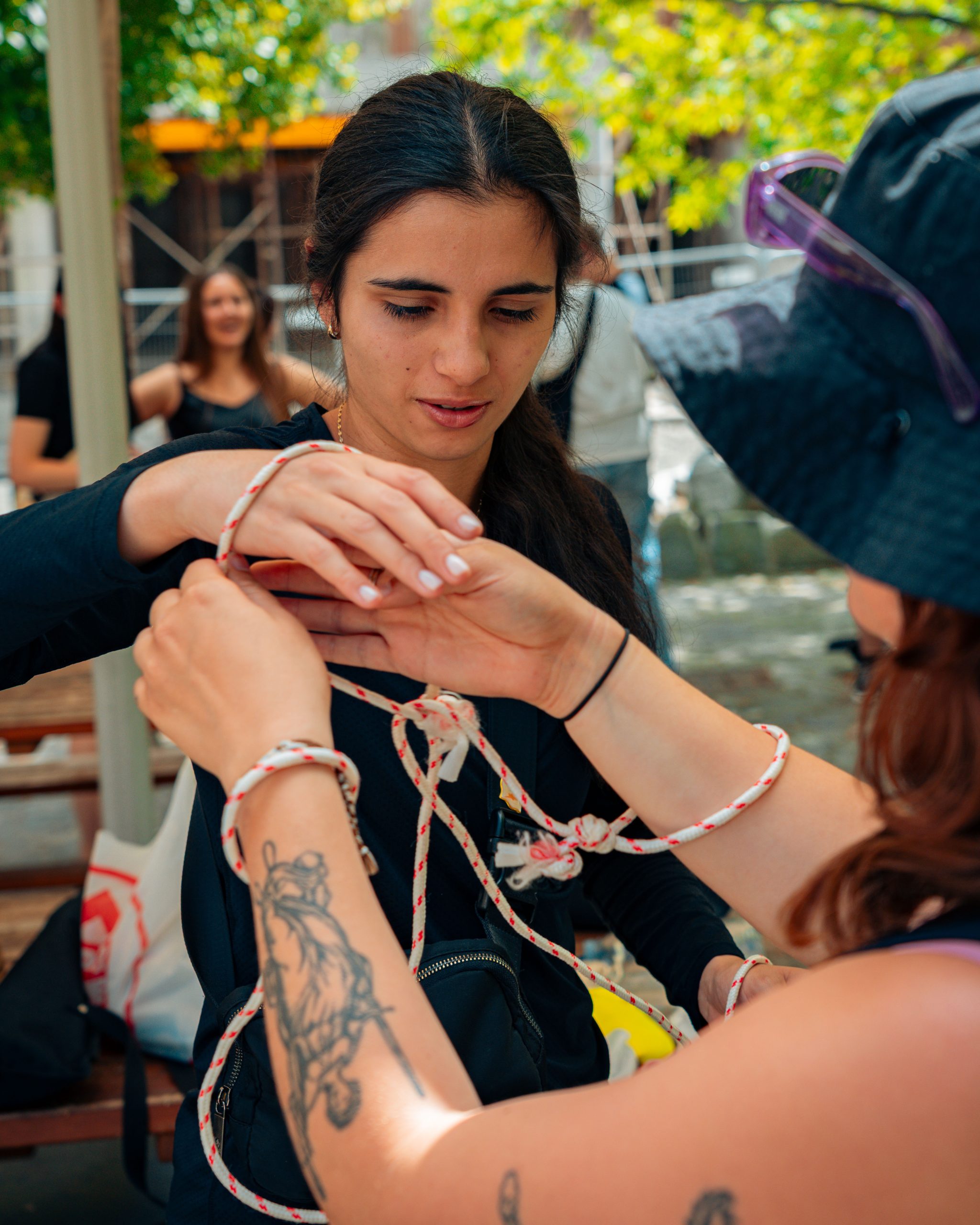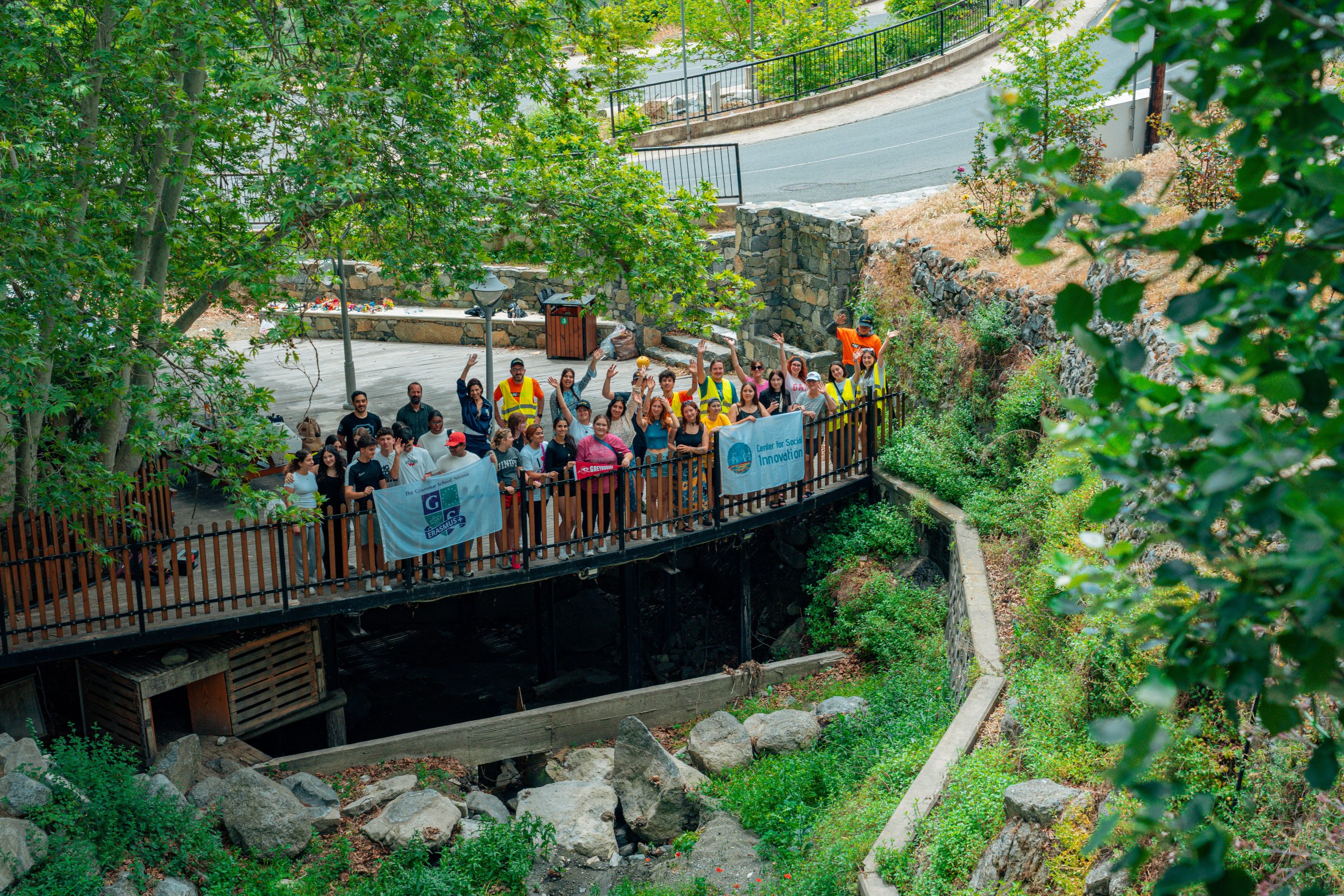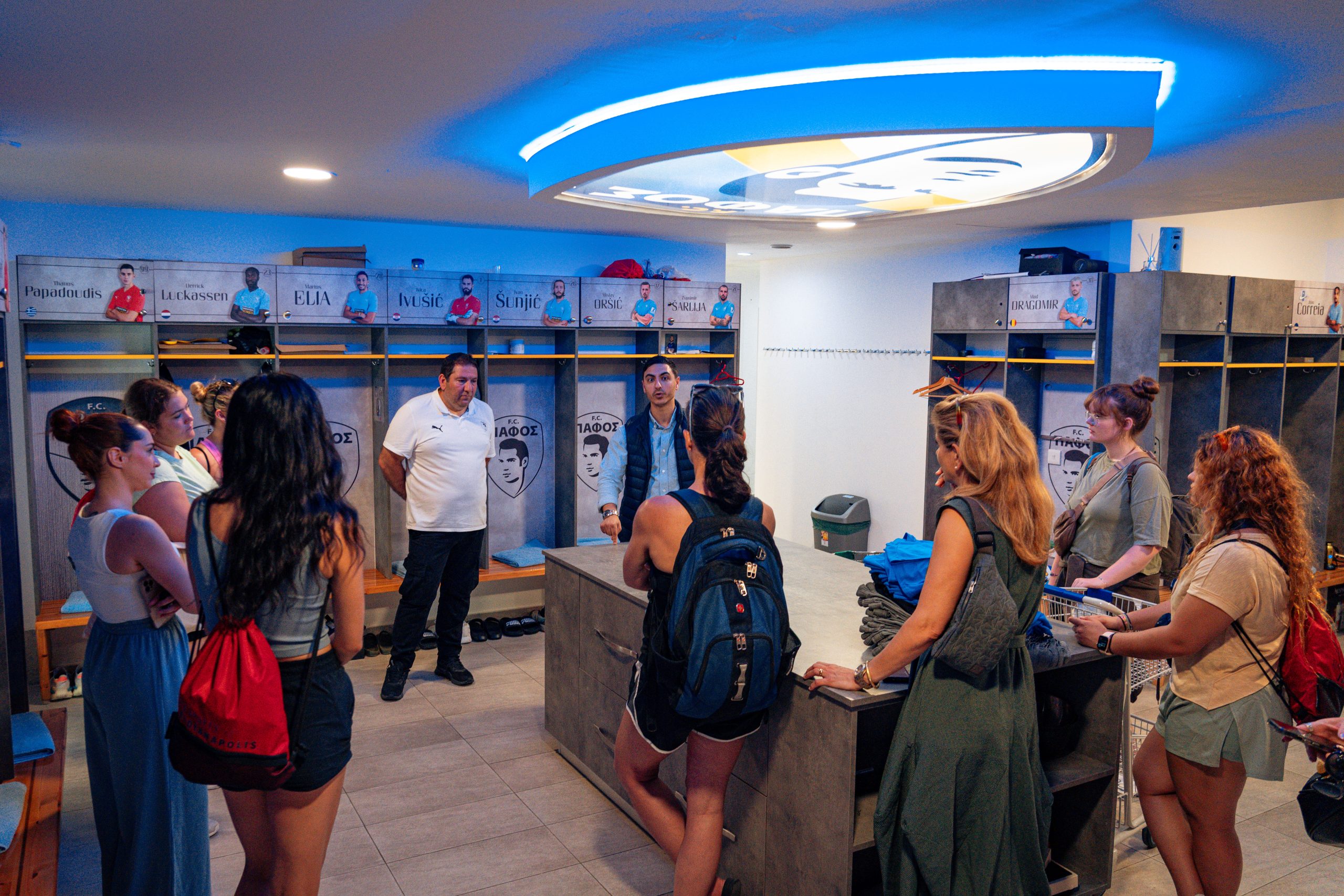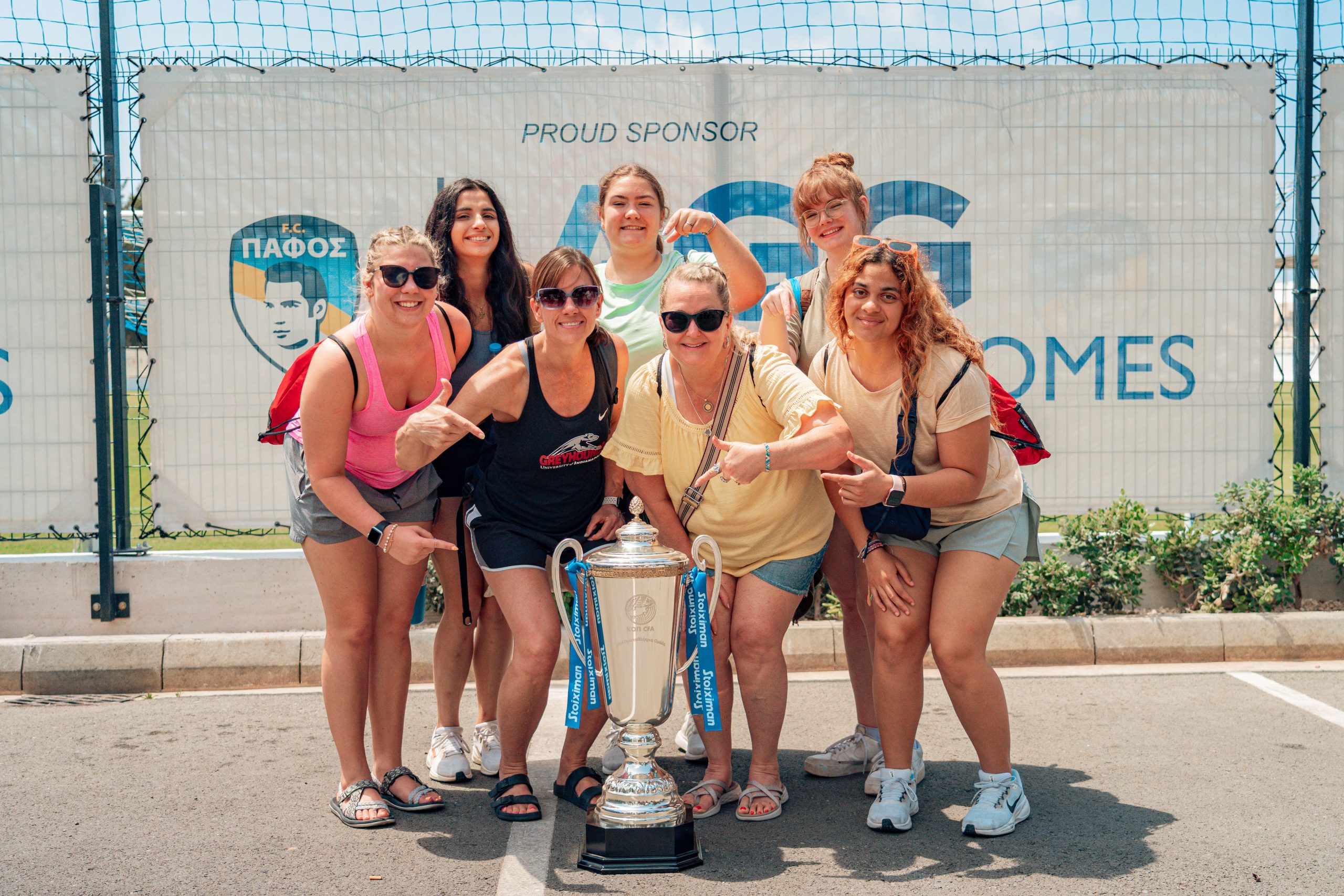

FEMST is a 24-month Erasmus+ project initiated by 6 EU organizations and implemented in the Netherlands, Spain, Greece and Cyprus. Despite the outstanding progress of the last decades in achieving gender equality in the STEM field, gender stereotypes and biases about males and females are still very much ingrained into the field and into society at large. The biases may be subtle, but can have severe consequences. According to an article published by Harvard University , “Stubborn beliefs cultivated from an early age such as “girls are bad at math,” “girls are better at cooking,” […] pave the way to sobering statistics about the number of female leaders in business and politics”. Indeed, the strong correlation between the existing gender stereotypes and how they can affect the STEM path of both girls and boys is indisputable. Gender norms and stereotypes encourage the formation of gendered identities and can determine power relations that can constrain the potential of all genders. These stereotypes can be so harmful as to influence the expectations of men and women regarding their career choice, establishing a direct relation to their freedoms, potential and choices. It is evident that the EU recognises the huge efforts that need to be done until gender equality is achieved in all Member States. Our project wants to specifically address this gap that is relevant with gender equality in the STEM field at its early stages, when teachers’ gender biases affect the performance of pupils.
Gender stereotypes impair the performance of students and prone them to fail to achieve their full potential. However, minimal efforts are done on EU level to address these needs in schools, where children are still in the process of significant cognitive development, and to work together with HE institutions for a transgenerational effort. Thus, our project aims to address these needs on a primary and a HE level: on the one hand to empower teachers on inspiring STEM among the female students and on the other hand on addressing the needs of women studying in STEM in order to reduce the dropout rate long-term. More and more schools and teachers are using innovative technological tools to enable more productive learning. Our project will use those tools and take advantage of the opportunities that technology offers in education to address the construction of gender stereotypes in schools and to close the gender gap that is so apparent in the STEM field.

Funded by the European Union. Views and opinions expressed are however those of the author(s) only and do not necessarily reflect those of the European Union or the European Education and Culture Executive Agency (EACEA). Neither the European Union nor EACEA can be held responsible for them.
Funded by the European Union. Views and opinions expressed are however those of the author(s) only and do not necessarily reflect those of the European Union or the European Education and Culture Executive Agency (EACEA). Neither the European Union nor EACEA can be held responsible for them.
Funded by the Other. Views and opinions expressed are however those of the author(s) only and do not necessarily reflect those of the European Union or the European Education and Culture Executive Agency (EACEA). Neither the European Union nor EACEA can be held responsible for them.
Funded by the Other. Views and opinions expressed are however those of the author(s) only and do not necessarily reflect those of the European Union or the European Education and Culture Executive Agency (EACEA). Neither the European Union nor EACEA can be held responsible for them.
Funded by the Other. Views and opinions expressed are however those of the author(s) only and do not necessarily reflect those of the European Union or the European Education and Culture Executive Agency (EACEA). Neither the European Union nor EACEA can be held responsible for them.
Funded by the Other. Views and opinions expressed are however those of the author(s) only and do not necessarily reflect those of the European Union or the European Education and Culture Executive Agency (EACEA). Neither the European Union nor EACEA can be held responsible for them.
Funded by the Other. Views and opinions expressed are however those of the author(s) only and do not necessarily reflect those of the European Union or the European Education and Culture Executive Agency (EACEA). Neither the European Union nor EACEA can be held responsible for them.
Funded by the Other. Views and opinions expressed are however those of the author(s) only and do not necessarily reflect those of the European Union or the European Education and Culture Executive Agency (EACEA). Neither the European Union nor EACEA can be held responsible for them.
Funded by the Other. Views and opinions expressed are however those of the author(s) only and do not necessarily reflect those of the European Union or the European Education and Culture Executive Agency (EACEA). Neither the European Union nor EACEA can be held responsible for them.
Funded by the Other. Views and opinions expressed are however those of the author(s) only and do not necessarily reflect those of the European Union or the European Education and Culture Executive Agency (EACEA). Neither the European Union nor EACEA can be held responsible for them.

Funded by the Other. Views and opinions expressed are however those of the author(s) only and do not necessarily reflect those of the European Union or the European Education and Culture Executive Agency (EACEA). Neither the European Union nor EACEA can be held responsible for them.
Funded by the Other. Views and opinions expressed are however those of the author(s) only and do not necessarily reflect those of the European Union or the European Education and Culture Executive Agency (EACEA). Neither the European Union nor EACEA can be held responsible for them.
Funded by the Other. Views and opinions expressed are however those of the author(s) only and do not necessarily reflect those of the European Union or the European Education and Culture Executive Agency (EACEA). Neither the European Union nor EACEA can be held responsible for them.
Funded by the Other. Views and opinions expressed are however those of the author(s) only and do not necessarily reflect those of the European Union or the European Education and Culture Executive Agency (EACEA). Neither the European Union nor EACEA can be held responsible for them.
Funded by the Other. Views and opinions expressed are however those of the author(s) only and do not necessarily reflect those of the European Union or the European Education and Culture Executive Agency (EACEA). Neither the European Union nor EACEA can be held responsible for them.
Funded by the Other. Views and opinions expressed are however those of the author(s) only and do not necessarily reflect those of the European Union or the European Education and Culture Executive Agency (EACEA). Neither the European Union nor EACEA can be held responsible for them.
Funded by the Other. Views and opinions expressed are however those of the author(s) only and do not necessarily reflect those of the European Union or the European Education and Culture Executive Agency (EACEA). Neither the European Union nor EACEA can be held responsible for them.
Project Number:
We deliver tailored email communications to ensure timely updates and engagement across our network.
Our social platforms are active hubs for connection, promotion, and engagement:
Strategic support to elevate visual identity and messaging across projects:
Bringing stories to life through high-quality media production:
Expanding our reach through strategic media relations:
Email Campaigns